Search Now
Browse the Cape Fear region by activity, beach town, weekend event, and local favorite with fresh directory data from the CMS.
Cape Fear weekend map
Beaches, riverfront, trails, and market days
Featured Activities
Family Entertainment
Family entertainment in Cape Fear works best when the day has variety, shade, bathrooms, and easy pivots. Wilmington gives families the Children's Museum of Wilmington, the Riverwalk, Greenfield Lake, family-friendly restaurants, and quick access to the Battleship North Carolina. Carolina Beach adds the boardwalk, summer amusement rides, beach fireworks, arcade stops, and Carolina Beach State Park trails where children can learn about Venus flytraps. Kure Beach brings the North Carolina Aquarium at Fort Fisher, the pier, and calmer beach weeks. Wrightsville Beach is strong for active families who want surf lessons, the Loop, or sound-side paddling. The category is not just about keeping kids busy; it is about building days that grandparents, parents, teenagers, and small children can all enjoy without spending the whole afternoon in the car. The Cape Fear region is compact on a map but layered in real life. Wilmington anchors the inland side with the Cape Fear River, the historic district, the Riverwalk, the Brooklyn Arts District, Greenfield Lake, and neighborhoods that hold independent restaurants, galleries, small shops, and music rooms. East of town, Wrightsville Beach turns toward surf, sound water, the Loop, and long summer days that begin before the parking lots fill. South of Wilmington, Carolina Beach and Kure Beach share Pleasure Island, where the boardwalk, state park trails, a fishing pier, Fort Fisher, and the ferry landing create a different rhythm from downtown. Farther across the lower Cape Fear, Bald Head Island, Southport, Oak Island, and Calabash connect the Brunswick County side to maritime forest, shrimp boats, tidal creeks, and slower coastal traditions. Planning here works best when visitors pay attention to geography. A drive from downtown Wilmington to Wrightsville Beach can be quick outside peak traffic, but a warm Saturday after lunch is a different story. Carolina Beach and Kure Beach sit along the same island road, so a day can combine Britt's Donuts, the Carolina Beach Boardwalk, Carolina Beach State Park, the North Carolina Aquarium at Fort Fisher, and a quiet sunset near the rocks without making a complicated loop. Bald Head Island requires the passenger ferry from Southport and a golf cart once on island, which changes the pace in a good way. Calabash is close to the South Carolina line, closer to Sunset Beach and Ocean Isle than to downtown Wilmington, and it belongs to the seafood and marsh side of the region. Season matters. Spring brings azaleas, Airlie Gardens blooms, soft beach days, and busy wedding weekends. Summer brings live music, fireworks, fishing tournaments, packed beach accesses, afternoon storms, and long evenings when families move between the water, ice cream, and boardwalk arcades. Fall is often the region's most comfortable season, with warm ocean water, lighter crowds, oyster roasts, clearer paddling weather, and events that spill from downtown Wilmington into beach towns. Winter is quieter but not empty: the Battleship North Carolina, historic house museums, the Cameron Art Museum, local breweries, surf checks, birding walks, and seafood lunches still make strong low-season plans. Good Cape Fear recommendations should work across those changes instead of pretending every visit happens in July. Authentic local planning also means acknowledging water. The Cape Fear River, Intracoastal Waterway, Banks Channel, Masonboro Sound, Snow's Cut, the Brunswick River, and the marshes behind the barrier islands shape what is easy, scenic, crowded, or weather dependent. A kayak route that feels peaceful near sunrise can be choppy after wind builds across the sound. A boat tour to Masonboro Island can be magical on the right tide and miserable if a group ignores sun, water, and shade. Fishing reports change by season, pier, and tide. Beach access points vary in bathrooms, parking, and walk length. Visitors do better when a category explains these real conditions rather than offering generic coastal filler. The region's strongest experiences often pair a named landmark with a small local habit. A downtown morning can start with coffee near Front Street, move along the Riverwalk past the Cape Fear Memorial Bridge view, cross to the Battleship North Carolina, and end with dinner in a restored brick building. A Wrightsville day can include the Loop, a sound-side paddle, lunch near Lumina Avenue, and a late swim when the beach thins. A Pleasure Island day can join Carolina Beach State Park's Venus flytrap habitat with the boardwalk and a Fort Fisher sunset. A Brunswick County day can combine the Old Baldy Lighthouse, Southport's waterfront, Calabash seafood, or a Sunset Beach pier walk. Those combinations are what make categories useful. Families, couples, solo travelers, and locals use the same places differently. Parents need bathrooms, shade, stroller-friendly surfaces, snack options, and bailout plans. Anglers care about bait, licenses, species, tide, wind, and whether a pier or charter is better for the day. History travelers want context around Fort Fisher, the port of Wilmington, the USS North Carolina, the Gullah Geechee corridor, Civil War sites, and coastal commerce. Shoppers want parking, walkability, market schedules, and nearby restaurants. Outdoor visitors want to know when heat, bugs, boat wakes, and storm risk will matter. A strong Cape Fear category should help each group picture the day before they commit. Local accuracy matters because Cape Fear is not one beach town. Wilmington is a river city with a film, college, port, and arts identity. Wrightsville Beach is dense, polished, athletic, and shaped by limited parking. Carolina Beach is casual, colorful, and boardwalk-centered, with a state park and marina side that many first-time visitors miss. Kure Beach is quieter and strongly tied to Fort Fisher, the aquarium, and family beach weeks. Bald Head Island is intentionally slower, ferry-based, and protective of its maritime forest and turtle nesting habitat. Calabash is a fishing village and seafood name with a Brunswick County orientation. Good category copy should keep those distinctions visible. Practical details can make the difference between a smooth Cape Fear day and a frustrating one. Reserve popular tours early in summer, check event calendars before assuming downtown parking will be easy, bring sun protection even on breezy days, and confirm seasonal hours for small operators. Watch for paid parking rules at Wrightsville Beach, Carolina Beach, and Kure Beach. Give extra time for ferry schedules, bridge openings, beach traffic, and storms that build over the Cape Fear River basin. Look for local stewardship guidance around dunes, sea turtles, shorebirds, maritime forest paths, and sensitive marsh edges. The best experiences here leave the place better than they found it. Cape Fear also rewards repeat visits. The same category can feel different on a January museum weekend, an April garden trip, a June family vacation, a September surf morning, or a November oyster roast. Downtown Wilmington, Airlie Gardens, Fort Fisher, Carolina Beach State Park, the Riverwalk, the Wrightsville Beach Loop, Masonboro Island, Old Baldy, and Calabash's waterfront all become more useful when visitors understand how they connect. These descriptions are meant to help people choose confidently, move through the region respectfully, and see the details that separate the lower Cape Fear coast from a generic beach destination.
Shopping & Markets
Shopping and markets around Cape Fear range from downtown Wilmington storefronts to seasonal farmers markets, beach boutiques, surf shops, seafood counters, and Brunswick County gift stops. The River District is the easiest place to browse on foot, with Front Street, Cotton Exchange corridors, antique shops, galleries, bookstores, and independent retailers close to coffee, cocktails, and restaurants. Wrightsville Beach and Carolina Beach lean toward surf gear, beach clothing, sunscreen, gifts, and casual vacation needs. Calabash connects shopping to seafood culture, dockside views, and small-town stops near the South Carolina line. Farmers markets in Carolina Beach, Wilmington, and nearby communities change with the season, bringing produce, flowers, baked goods, prepared foods, and makers into the same morning plan. The Cape Fear region is compact on a map but layered in real life. Wilmington anchors the inland side with the Cape Fear River, the historic district, the Riverwalk, the Brooklyn Arts District, Greenfield Lake, and neighborhoods that hold independent restaurants, galleries, small shops, and music rooms. East of town, Wrightsville Beach turns toward surf, sound water, the Loop, and long summer days that begin before the parking lots fill. South of Wilmington, Carolina Beach and Kure Beach share Pleasure Island, where the boardwalk, state park trails, a fishing pier, Fort Fisher, and the ferry landing create a different rhythm from downtown. Farther across the lower Cape Fear, Bald Head Island, Southport, Oak Island, and Calabash connect the Brunswick County side to maritime forest, shrimp boats, tidal creeks, and slower coastal traditions. Planning here works best when visitors pay attention to geography. A drive from downtown Wilmington to Wrightsville Beach can be quick outside peak traffic, but a warm Saturday after lunch is a different story. Carolina Beach and Kure Beach sit along the same island road, so a day can combine Britt's Donuts, the Carolina Beach Boardwalk, Carolina Beach State Park, the North Carolina Aquarium at Fort Fisher, and a quiet sunset near the rocks without making a complicated loop. Bald Head Island requires the passenger ferry from Southport and a golf cart once on island, which changes the pace in a good way. Calabash is close to the South Carolina line, closer to Sunset Beach and Ocean Isle than to downtown Wilmington, and it belongs to the seafood and marsh side of the region. Season matters. Spring brings azaleas, Airlie Gardens blooms, soft beach days, and busy wedding weekends. Summer brings live music, fireworks, fishing tournaments, packed beach accesses, afternoon storms, and long evenings when families move between the water, ice cream, and boardwalk arcades. Fall is often the region's most comfortable season, with warm ocean water, lighter crowds, oyster roasts, clearer paddling weather, and events that spill from downtown Wilmington into beach towns. Winter is quieter but not empty: the Battleship North Carolina, historic house museums, the Cameron Art Museum, local breweries, surf checks, birding walks, and seafood lunches still make strong low-season plans. Good Cape Fear recommendations should work across those changes instead of pretending every visit happens in July. Authentic local planning also means acknowledging water. The Cape Fear River, Intracoastal Waterway, Banks Channel, Masonboro Sound, Snow's Cut, the Brunswick River, and the marshes behind the barrier islands shape what is easy, scenic, crowded, or weather dependent. A kayak route that feels peaceful near sunrise can be choppy after wind builds across the sound. A boat tour to Masonboro Island can be magical on the right tide and miserable if a group ignores sun, water, and shade. Fishing reports change by season, pier, and tide. Beach access points vary in bathrooms, parking, and walk length. Visitors do better when a category explains these real conditions rather than offering generic coastal filler. The region's strongest experiences often pair a named landmark with a small local habit. A downtown morning can start with coffee near Front Street, move along the Riverwalk past the Cape Fear Memorial Bridge view, cross to the Battleship North Carolina, and end with dinner in a restored brick building. A Wrightsville day can include the Loop, a sound-side paddle, lunch near Lumina Avenue, and a late swim when the beach thins. A Pleasure Island day can join Carolina Beach State Park's Venus flytrap habitat with the boardwalk and a Fort Fisher sunset. A Brunswick County day can combine the Old Baldy Lighthouse, Southport's waterfront, Calabash seafood, or a Sunset Beach pier walk. Those combinations are what make categories useful. Families, couples, solo travelers, and locals use the same places differently. Parents need bathrooms, shade, stroller-friendly surfaces, snack options, and bailout plans. Anglers care about bait, licenses, species, tide, wind, and whether a pier or charter is better for the day. History travelers want context around Fort Fisher, the port of Wilmington, the USS North Carolina, the Gullah Geechee corridor, Civil War sites, and coastal commerce. Shoppers want parking, walkability, market schedules, and nearby restaurants. Outdoor visitors want to know when heat, bugs, boat wakes, and storm risk will matter. A strong Cape Fear category should help each group picture the day before they commit. Local accuracy matters because Cape Fear is not one beach town. Wilmington is a river city with a film, college, port, and arts identity. Wrightsville Beach is dense, polished, athletic, and shaped by limited parking. Carolina Beach is casual, colorful, and boardwalk-centered, with a state park and marina side that many first-time visitors miss. Kure Beach is quieter and strongly tied to Fort Fisher, the aquarium, and family beach weeks. Bald Head Island is intentionally slower, ferry-based, and protective of its maritime forest and turtle nesting habitat. Calabash is a fishing village and seafood name with a Brunswick County orientation. Good category copy should keep those distinctions visible. Practical details can make the difference between a smooth Cape Fear day and a frustrating one. Reserve popular tours early in summer, check event calendars before assuming downtown parking will be easy, bring sun protection even on breezy days, and confirm seasonal hours for small operators. Watch for paid parking rules at Wrightsville Beach, Carolina Beach, and Kure Beach. Give extra time for ferry schedules, bridge openings, beach traffic, and storms that build over the Cape Fear River basin. Look for local stewardship guidance around dunes, sea turtles, shorebirds, maritime forest paths, and sensitive marsh edges. The best experiences here leave the place better than they found it. Cape Fear also rewards repeat visits. The same category can feel different on a January museum weekend, an April garden trip, a June family vacation, a September surf morning, or a November oyster roast. Downtown Wilmington, Airlie Gardens, Fort Fisher, Carolina Beach State Park, the Riverwalk, the Wrightsville Beach Loop, Masonboro Island, Old Baldy, and Calabash's waterfront all become more useful when visitors understand how they connect. These descriptions are meant to help people choose confidently, move through the region respectfully, and see the details that separate the lower Cape Fear coast from a generic beach destination.
Aquariums & Zoos
Aquariums and animal-focused stops in Cape Fear are led by the North Carolina Aquarium at Fort Fisher, one of the most reliable year-round anchors for families, rainy days, hot afternoons, and visitors who want to understand the coastal environment before heading back outside. The aquarium sits near Fort Fisher, Kure Beach, the ferry landing, marsh edges, and oceanfront access, so it pairs naturally with history, beach walks, and a slow drive along the southern end of Pleasure Island. Animal experiences here should also include birding at Carolina Beach State Park, turtle-season awareness on the beaches, dolphin and shorebird sightings from responsible boat tours, and habitat education around Masonboro Island, Bald Head Island, and the Cape Fear River. The point is not a traditional zoo circuit; it is understanding the living coast. The Cape Fear region is compact on a map but layered in real life. Wilmington anchors the inland side with the Cape Fear River, the historic district, the Riverwalk, the Brooklyn Arts District, Greenfield Lake, and neighborhoods that hold independent restaurants, galleries, small shops, and music rooms. East of town, Wrightsville Beach turns toward surf, sound water, the Loop, and long summer days that begin before the parking lots fill. South of Wilmington, Carolina Beach and Kure Beach share Pleasure Island, where the boardwalk, state park trails, a fishing pier, Fort Fisher, and the ferry landing create a different rhythm from downtown. Farther across the lower Cape Fear, Bald Head Island, Southport, Oak Island, and Calabash connect the Brunswick County side to maritime forest, shrimp boats, tidal creeks, and slower coastal traditions. Planning here works best when visitors pay attention to geography. A drive from downtown Wilmington to Wrightsville Beach can be quick outside peak traffic, but a warm Saturday after lunch is a different story. Carolina Beach and Kure Beach sit along the same island road, so a day can combine Britt's Donuts, the Carolina Beach Boardwalk, Carolina Beach State Park, the North Carolina Aquarium at Fort Fisher, and a quiet sunset near the rocks without making a complicated loop. Bald Head Island requires the passenger ferry from Southport and a golf cart once on island, which changes the pace in a good way. Calabash is close to the South Carolina line, closer to Sunset Beach and Ocean Isle than to downtown Wilmington, and it belongs to the seafood and marsh side of the region. Season matters. Spring brings azaleas, Airlie Gardens blooms, soft beach days, and busy wedding weekends. Summer brings live music, fireworks, fishing tournaments, packed beach accesses, afternoon storms, and long evenings when families move between the water, ice cream, and boardwalk arcades. Fall is often the region's most comfortable season, with warm ocean water, lighter crowds, oyster roasts, clearer paddling weather, and events that spill from downtown Wilmington into beach towns. Winter is quieter but not empty: the Battleship North Carolina, historic house museums, the Cameron Art Museum, local breweries, surf checks, birding walks, and seafood lunches still make strong low-season plans. Good Cape Fear recommendations should work across those changes instead of pretending every visit happens in July. Authentic local planning also means acknowledging water. The Cape Fear River, Intracoastal Waterway, Banks Channel, Masonboro Sound, Snow's Cut, the Brunswick River, and the marshes behind the barrier islands shape what is easy, scenic, crowded, or weather dependent. A kayak route that feels peaceful near sunrise can be choppy after wind builds across the sound. A boat tour to Masonboro Island can be magical on the right tide and miserable if a group ignores sun, water, and shade. Fishing reports change by season, pier, and tide. Beach access points vary in bathrooms, parking, and walk length. Visitors do better when a category explains these real conditions rather than offering generic coastal filler. The region's strongest experiences often pair a named landmark with a small local habit. A downtown morning can start with coffee near Front Street, move along the Riverwalk past the Cape Fear Memorial Bridge view, cross to the Battleship North Carolina, and end with dinner in a restored brick building. A Wrightsville day can include the Loop, a sound-side paddle, lunch near Lumina Avenue, and a late swim when the beach thins. A Pleasure Island day can join Carolina Beach State Park's Venus flytrap habitat with the boardwalk and a Fort Fisher sunset. A Brunswick County day can combine the Old Baldy Lighthouse, Southport's waterfront, Calabash seafood, or a Sunset Beach pier walk. Those combinations are what make categories useful. Families, couples, solo travelers, and locals use the same places differently. Parents need bathrooms, shade, stroller-friendly surfaces, snack options, and bailout plans. Anglers care about bait, licenses, species, tide, wind, and whether a pier or charter is better for the day. History travelers want context around Fort Fisher, the port of Wilmington, the USS North Carolina, the Gullah Geechee corridor, Civil War sites, and coastal commerce. Shoppers want parking, walkability, market schedules, and nearby restaurants. Outdoor visitors want to know when heat, bugs, boat wakes, and storm risk will matter. A strong Cape Fear category should help each group picture the day before they commit. Local accuracy matters because Cape Fear is not one beach town. Wilmington is a river city with a film, college, port, and arts identity. Wrightsville Beach is dense, polished, athletic, and shaped by limited parking. Carolina Beach is casual, colorful, and boardwalk-centered, with a state park and marina side that many first-time visitors miss. Kure Beach is quieter and strongly tied to Fort Fisher, the aquarium, and family beach weeks. Bald Head Island is intentionally slower, ferry-based, and protective of its maritime forest and turtle nesting habitat. Calabash is a fishing village and seafood name with a Brunswick County orientation. Good category copy should keep those distinctions visible. Practical details can make the difference between a smooth Cape Fear day and a frustrating one. Reserve popular tours early in summer, check event calendars before assuming downtown parking will be easy, bring sun protection even on breezy days, and confirm seasonal hours for small operators. Watch for paid parking rules at Wrightsville Beach, Carolina Beach, and Kure Beach. Give extra time for ferry schedules, bridge openings, beach traffic, and storms that build over the Cape Fear River basin. Look for local stewardship guidance around dunes, sea turtles, shorebirds, maritime forest paths, and sensitive marsh edges. The best experiences here leave the place better than they found it. Cape Fear also rewards repeat visits. The same category can feel different on a January museum weekend, an April garden trip, a June family vacation, a September surf morning, or a November oyster roast. Downtown Wilmington, Airlie Gardens, Fort Fisher, Carolina Beach State Park, the Riverwalk, the Wrightsville Beach Loop, Masonboro Island, Old Baldy, and Calabash's waterfront all become more useful when visitors understand how they connect. These descriptions are meant to help people choose confidently, move through the region respectfully, and see the details that separate the lower Cape Fear coast from a generic beach destination.
Events & Festivals
Events and festivals are one of the easiest ways to feel the Cape Fear region as locals use it. Wilmington hosts concerts, film events, gallery nights, Riverfront Park shows, downtown markets, holiday lights, and Azalea Festival energy that changes the whole city in spring. Carolina Beach brings summer fireworks, boardwalk music, family events, and a relaxed oceanfront crowd. Wrightsville Beach adds races, surf contests, paddle events, and fitness-oriented gatherings shaped by the Loop and the sound. Kure Beach and Fort Fisher lean into coastal cleanups, aquarium programming, history events, and family-friendly seasonal calendars. Brunswick County adds seafood, waterfront, and small-town festivals. A good event plan checks exact dates, parking pressure, bridge traffic, and whether the event belongs to a beach day, a downtown evening, or a full weekend. The Cape Fear region is compact on a map but layered in real life. Wilmington anchors the inland side with the Cape Fear River, the historic district, the Riverwalk, the Brooklyn Arts District, Greenfield Lake, and neighborhoods that hold independent restaurants, galleries, small shops, and music rooms. East of town, Wrightsville Beach turns toward surf, sound water, the Loop, and long summer days that begin before the parking lots fill. South of Wilmington, Carolina Beach and Kure Beach share Pleasure Island, where the boardwalk, state park trails, a fishing pier, Fort Fisher, and the ferry landing create a different rhythm from downtown. Farther across the lower Cape Fear, Bald Head Island, Southport, Oak Island, and Calabash connect the Brunswick County side to maritime forest, shrimp boats, tidal creeks, and slower coastal traditions. Planning here works best when visitors pay attention to geography. A drive from downtown Wilmington to Wrightsville Beach can be quick outside peak traffic, but a warm Saturday after lunch is a different story. Carolina Beach and Kure Beach sit along the same island road, so a day can combine Britt's Donuts, the Carolina Beach Boardwalk, Carolina Beach State Park, the North Carolina Aquarium at Fort Fisher, and a quiet sunset near the rocks without making a complicated loop. Bald Head Island requires the passenger ferry from Southport and a golf cart once on island, which changes the pace in a good way. Calabash is close to the South Carolina line, closer to Sunset Beach and Ocean Isle than to downtown Wilmington, and it belongs to the seafood and marsh side of the region. Season matters. Spring brings azaleas, Airlie Gardens blooms, soft beach days, and busy wedding weekends. Summer brings live music, fireworks, fishing tournaments, packed beach accesses, afternoon storms, and long evenings when families move between the water, ice cream, and boardwalk arcades. Fall is often the region's most comfortable season, with warm ocean water, lighter crowds, oyster roasts, clearer paddling weather, and events that spill from downtown Wilmington into beach towns. Winter is quieter but not empty: the Battleship North Carolina, historic house museums, the Cameron Art Museum, local breweries, surf checks, birding walks, and seafood lunches still make strong low-season plans. Good Cape Fear recommendations should work across those changes instead of pretending every visit happens in July. Authentic local planning also means acknowledging water. The Cape Fear River, Intracoastal Waterway, Banks Channel, Masonboro Sound, Snow's Cut, the Brunswick River, and the marshes behind the barrier islands shape what is easy, scenic, crowded, or weather dependent. A kayak route that feels peaceful near sunrise can be choppy after wind builds across the sound. A boat tour to Masonboro Island can be magical on the right tide and miserable if a group ignores sun, water, and shade. Fishing reports change by season, pier, and tide. Beach access points vary in bathrooms, parking, and walk length. Visitors do better when a category explains these real conditions rather than offering generic coastal filler. The region's strongest experiences often pair a named landmark with a small local habit. A downtown morning can start with coffee near Front Street, move along the Riverwalk past the Cape Fear Memorial Bridge view, cross to the Battleship North Carolina, and end with dinner in a restored brick building. A Wrightsville day can include the Loop, a sound-side paddle, lunch near Lumina Avenue, and a late swim when the beach thins. A Pleasure Island day can join Carolina Beach State Park's Venus flytrap habitat with the boardwalk and a Fort Fisher sunset. A Brunswick County day can combine the Old Baldy Lighthouse, Southport's waterfront, Calabash seafood, or a Sunset Beach pier walk. Those combinations are what make categories useful. Families, couples, solo travelers, and locals use the same places differently. Parents need bathrooms, shade, stroller-friendly surfaces, snack options, and bailout plans. Anglers care about bait, licenses, species, tide, wind, and whether a pier or charter is better for the day. History travelers want context around Fort Fisher, the port of Wilmington, the USS North Carolina, the Gullah Geechee corridor, Civil War sites, and coastal commerce. Shoppers want parking, walkability, market schedules, and nearby restaurants. Outdoor visitors want to know when heat, bugs, boat wakes, and storm risk will matter. A strong Cape Fear category should help each group picture the day before they commit. Local accuracy matters because Cape Fear is not one beach town. Wilmington is a river city with a film, college, port, and arts identity. Wrightsville Beach is dense, polished, athletic, and shaped by limited parking. Carolina Beach is casual, colorful, and boardwalk-centered, with a state park and marina side that many first-time visitors miss. Kure Beach is quieter and strongly tied to Fort Fisher, the aquarium, and family beach weeks. Bald Head Island is intentionally slower, ferry-based, and protective of its maritime forest and turtle nesting habitat. Calabash is a fishing village and seafood name with a Brunswick County orientation. Good category copy should keep those distinctions visible. Practical details can make the difference between a smooth Cape Fear day and a frustrating one. Reserve popular tours early in summer, check event calendars before assuming downtown parking will be easy, bring sun protection even on breezy days, and confirm seasonal hours for small operators. Watch for paid parking rules at Wrightsville Beach, Carolina Beach, and Kure Beach. Give extra time for ferry schedules, bridge openings, beach traffic, and storms that build over the Cape Fear River basin. Look for local stewardship guidance around dunes, sea turtles, shorebirds, maritime forest paths, and sensitive marsh edges. The best experiences here leave the place better than they found it. Cape Fear also rewards repeat visits. The same category can feel different on a January museum weekend, an April garden trip, a June family vacation, a September surf morning, or a November oyster roast. Downtown Wilmington, Airlie Gardens, Fort Fisher, Carolina Beach State Park, the Riverwalk, the Wrightsville Beach Loop, Masonboro Island, Old Baldy, and Calabash's waterfront all become more useful when visitors understand how they connect. These descriptions are meant to help people choose confidently, move through the region respectfully, and see the details that separate the lower Cape Fear coast from a generic beach destination.
Boating & Fishing
Boating and fishing are central to Cape Fear because the region is built around river, inlet, sound, marsh, and ocean water. Visitors can book downtown river cruises, Wrightsville Beach charters, Masonboro Sound eco trips, Carolina Beach marina outings, Kure Beach pier sessions, offshore fishing runs, or quieter Brunswick County marsh routes. The Cape Fear River gives skyline and port context; the Intracoastal Waterway links beach towns and waterfront restaurants; Masonboro Island offers undeveloped barrier-island scenery; Snow's Cut and the inlets remind everyone that tide and current are real. Fishing plans should consider licenses, bait, target species, wind, tide, pier rules, and whether a half-day inshore charter fits the group better than a long offshore run. Boating here is rewarding when safety and local conditions come first. The Cape Fear region is compact on a map but layered in real life. Wilmington anchors the inland side with the Cape Fear River, the historic district, the Riverwalk, the Brooklyn Arts District, Greenfield Lake, and neighborhoods that hold independent restaurants, galleries, small shops, and music rooms. East of town, Wrightsville Beach turns toward surf, sound water, the Loop, and long summer days that begin before the parking lots fill. South of Wilmington, Carolina Beach and Kure Beach share Pleasure Island, where the boardwalk, state park trails, a fishing pier, Fort Fisher, and the ferry landing create a different rhythm from downtown. Farther across the lower Cape Fear, Bald Head Island, Southport, Oak Island, and Calabash connect the Brunswick County side to maritime forest, shrimp boats, tidal creeks, and slower coastal traditions. Planning here works best when visitors pay attention to geography. A drive from downtown Wilmington to Wrightsville Beach can be quick outside peak traffic, but a warm Saturday after lunch is a different story. Carolina Beach and Kure Beach sit along the same island road, so a day can combine Britt's Donuts, the Carolina Beach Boardwalk, Carolina Beach State Park, the North Carolina Aquarium at Fort Fisher, and a quiet sunset near the rocks without making a complicated loop. Bald Head Island requires the passenger ferry from Southport and a golf cart once on island, which changes the pace in a good way. Calabash is close to the South Carolina line, closer to Sunset Beach and Ocean Isle than to downtown Wilmington, and it belongs to the seafood and marsh side of the region. Season matters. Spring brings azaleas, Airlie Gardens blooms, soft beach days, and busy wedding weekends. Summer brings live music, fireworks, fishing tournaments, packed beach accesses, afternoon storms, and long evenings when families move between the water, ice cream, and boardwalk arcades. Fall is often the region's most comfortable season, with warm ocean water, lighter crowds, oyster roasts, clearer paddling weather, and events that spill from downtown Wilmington into beach towns. Winter is quieter but not empty: the Battleship North Carolina, historic house museums, the Cameron Art Museum, local breweries, surf checks, birding walks, and seafood lunches still make strong low-season plans. Good Cape Fear recommendations should work across those changes instead of pretending every visit happens in July. Authentic local planning also means acknowledging water. The Cape Fear River, Intracoastal Waterway, Banks Channel, Masonboro Sound, Snow's Cut, the Brunswick River, and the marshes behind the barrier islands shape what is easy, scenic, crowded, or weather dependent. A kayak route that feels peaceful near sunrise can be choppy after wind builds across the sound. A boat tour to Masonboro Island can be magical on the right tide and miserable if a group ignores sun, water, and shade. Fishing reports change by season, pier, and tide. Beach access points vary in bathrooms, parking, and walk length. Visitors do better when a category explains these real conditions rather than offering generic coastal filler. The region's strongest experiences often pair a named landmark with a small local habit. A downtown morning can start with coffee near Front Street, move along the Riverwalk past the Cape Fear Memorial Bridge view, cross to the Battleship North Carolina, and end with dinner in a restored brick building. A Wrightsville day can include the Loop, a sound-side paddle, lunch near Lumina Avenue, and a late swim when the beach thins. A Pleasure Island day can join Carolina Beach State Park's Venus flytrap habitat with the boardwalk and a Fort Fisher sunset. A Brunswick County day can combine the Old Baldy Lighthouse, Southport's waterfront, Calabash seafood, or a Sunset Beach pier walk. Those combinations are what make categories useful. Families, couples, solo travelers, and locals use the same places differently. Parents need bathrooms, shade, stroller-friendly surfaces, snack options, and bailout plans. Anglers care about bait, licenses, species, tide, wind, and whether a pier or charter is better for the day. History travelers want context around Fort Fisher, the port of Wilmington, the USS North Carolina, the Gullah Geechee corridor, Civil War sites, and coastal commerce. Shoppers want parking, walkability, market schedules, and nearby restaurants. Outdoor visitors want to know when heat, bugs, boat wakes, and storm risk will matter. A strong Cape Fear category should help each group picture the day before they commit. Local accuracy matters because Cape Fear is not one beach town. Wilmington is a river city with a film, college, port, and arts identity. Wrightsville Beach is dense, polished, athletic, and shaped by limited parking. Carolina Beach is casual, colorful, and boardwalk-centered, with a state park and marina side that many first-time visitors miss. Kure Beach is quieter and strongly tied to Fort Fisher, the aquarium, and family beach weeks. Bald Head Island is intentionally slower, ferry-based, and protective of its maritime forest and turtle nesting habitat. Calabash is a fishing village and seafood name with a Brunswick County orientation. Good category copy should keep those distinctions visible. Practical details can make the difference between a smooth Cape Fear day and a frustrating one. Reserve popular tours early in summer, check event calendars before assuming downtown parking will be easy, bring sun protection even on breezy days, and confirm seasonal hours for small operators. Watch for paid parking rules at Wrightsville Beach, Carolina Beach, and Kure Beach. Give extra time for ferry schedules, bridge openings, beach traffic, and storms that build over the Cape Fear River basin. Look for local stewardship guidance around dunes, sea turtles, shorebirds, maritime forest paths, and sensitive marsh edges. The best experiences here leave the place better than they found it. Cape Fear also rewards repeat visits. The same category can feel different on a January museum weekend, an April garden trip, a June family vacation, a September surf morning, or a November oyster roast. Downtown Wilmington, Airlie Gardens, Fort Fisher, Carolina Beach State Park, the Riverwalk, the Wrightsville Beach Loop, Masonboro Island, Old Baldy, and Calabash's waterfront all become more useful when visitors understand how they connect. These descriptions are meant to help people choose confidently, move through the region respectfully, and see the details that separate the lower Cape Fear coast from a generic beach destination.
Breweries & Wine
Breweries, wine bars, bottle shops, and taprooms give Cape Fear travelers a low-pressure way to slow down between beach, riverfront, and museum plans. Wilmington has the deepest concentration, with breweries and bars spread through downtown, the Cargo District, the Soda Pop District, and neighborhoods that make short rideshares practical. Beach towns bring a more casual rhythm: a beer after surfing at Wrightsville Beach, a patio stop after the Carolina Beach Boardwalk, or a relaxed drink after Fort Fisher and Kure Beach. Wine-focused stops often work best as dinner pairings, market purchases, or quiet rainy-day options. The best plans account for parking, designated drivers, rideshare availability, food trucks, live music schedules, and the fact that summer heat can make one shaded patio more valuable than an ambitious crawl. The Cape Fear region is compact on a map but layered in real life. Wilmington anchors the inland side with the Cape Fear River, the historic district, the Riverwalk, the Brooklyn Arts District, Greenfield Lake, and neighborhoods that hold independent restaurants, galleries, small shops, and music rooms. East of town, Wrightsville Beach turns toward surf, sound water, the Loop, and long summer days that begin before the parking lots fill. South of Wilmington, Carolina Beach and Kure Beach share Pleasure Island, where the boardwalk, state park trails, a fishing pier, Fort Fisher, and the ferry landing create a different rhythm from downtown. Farther across the lower Cape Fear, Bald Head Island, Southport, Oak Island, and Calabash connect the Brunswick County side to maritime forest, shrimp boats, tidal creeks, and slower coastal traditions. Planning here works best when visitors pay attention to geography. A drive from downtown Wilmington to Wrightsville Beach can be quick outside peak traffic, but a warm Saturday after lunch is a different story. Carolina Beach and Kure Beach sit along the same island road, so a day can combine Britt's Donuts, the Carolina Beach Boardwalk, Carolina Beach State Park, the North Carolina Aquarium at Fort Fisher, and a quiet sunset near the rocks without making a complicated loop. Bald Head Island requires the passenger ferry from Southport and a golf cart once on island, which changes the pace in a good way. Calabash is close to the South Carolina line, closer to Sunset Beach and Ocean Isle than to downtown Wilmington, and it belongs to the seafood and marsh side of the region. Season matters. Spring brings azaleas, Airlie Gardens blooms, soft beach days, and busy wedding weekends. Summer brings live music, fireworks, fishing tournaments, packed beach accesses, afternoon storms, and long evenings when families move between the water, ice cream, and boardwalk arcades. Fall is often the region's most comfortable season, with warm ocean water, lighter crowds, oyster roasts, clearer paddling weather, and events that spill from downtown Wilmington into beach towns. Winter is quieter but not empty: the Battleship North Carolina, historic house museums, the Cameron Art Museum, local breweries, surf checks, birding walks, and seafood lunches still make strong low-season plans. Good Cape Fear recommendations should work across those changes instead of pretending every visit happens in July. Authentic local planning also means acknowledging water. The Cape Fear River, Intracoastal Waterway, Banks Channel, Masonboro Sound, Snow's Cut, the Brunswick River, and the marshes behind the barrier islands shape what is easy, scenic, crowded, or weather dependent. A kayak route that feels peaceful near sunrise can be choppy after wind builds across the sound. A boat tour to Masonboro Island can be magical on the right tide and miserable if a group ignores sun, water, and shade. Fishing reports change by season, pier, and tide. Beach access points vary in bathrooms, parking, and walk length. Visitors do better when a category explains these real conditions rather than offering generic coastal filler. The region's strongest experiences often pair a named landmark with a small local habit. A downtown morning can start with coffee near Front Street, move along the Riverwalk past the Cape Fear Memorial Bridge view, cross to the Battleship North Carolina, and end with dinner in a restored brick building. A Wrightsville day can include the Loop, a sound-side paddle, lunch near Lumina Avenue, and a late swim when the beach thins. A Pleasure Island day can join Carolina Beach State Park's Venus flytrap habitat with the boardwalk and a Fort Fisher sunset. A Brunswick County day can combine the Old Baldy Lighthouse, Southport's waterfront, Calabash seafood, or a Sunset Beach pier walk. Those combinations are what make categories useful. Families, couples, solo travelers, and locals use the same places differently. Parents need bathrooms, shade, stroller-friendly surfaces, snack options, and bailout plans. Anglers care about bait, licenses, species, tide, wind, and whether a pier or charter is better for the day. History travelers want context around Fort Fisher, the port of Wilmington, the USS North Carolina, the Gullah Geechee corridor, Civil War sites, and coastal commerce. Shoppers want parking, walkability, market schedules, and nearby restaurants. Outdoor visitors want to know when heat, bugs, boat wakes, and storm risk will matter. A strong Cape Fear category should help each group picture the day before they commit. Local accuracy matters because Cape Fear is not one beach town. Wilmington is a river city with a film, college, port, and arts identity. Wrightsville Beach is dense, polished, athletic, and shaped by limited parking. Carolina Beach is casual, colorful, and boardwalk-centered, with a state park and marina side that many first-time visitors miss. Kure Beach is quieter and strongly tied to Fort Fisher, the aquarium, and family beach weeks. Bald Head Island is intentionally slower, ferry-based, and protective of its maritime forest and turtle nesting habitat. Calabash is a fishing village and seafood name with a Brunswick County orientation. Good category copy should keep those distinctions visible. Practical details can make the difference between a smooth Cape Fear day and a frustrating one. Reserve popular tours early in summer, check event calendars before assuming downtown parking will be easy, bring sun protection even on breezy days, and confirm seasonal hours for small operators. Watch for paid parking rules at Wrightsville Beach, Carolina Beach, and Kure Beach. Give extra time for ferry schedules, bridge openings, beach traffic, and storms that build over the Cape Fear River basin. Look for local stewardship guidance around dunes, sea turtles, shorebirds, maritime forest paths, and sensitive marsh edges. The best experiences here leave the place better than they found it. Cape Fear also rewards repeat visits. The same category can feel different on a January museum weekend, an April garden trip, a June family vacation, a September surf morning, or a November oyster roast. Downtown Wilmington, Airlie Gardens, Fort Fisher, Carolina Beach State Park, the Riverwalk, the Wrightsville Beach Loop, Masonboro Island, Old Baldy, and Calabash's waterfront all become more useful when visitors understand how they connect. These descriptions are meant to help people choose confidently, move through the region respectfully, and see the details that separate the lower Cape Fear coast from a generic beach destination.
Golf
Golf in the Cape Fear area is shaped by coastal weather, pine corridors, marsh edges, and Brunswick County's long golf tradition. Wilmington offers convenient public and semi-private rounds for visitors staying downtown or near the university, while the Brunswick beaches and Calabash area put golfers closer to a dense collection of courses that can anchor an entire trip. Wrightsville Beach and Pleasure Island visitors often treat golf as a morning outing before returning to the water, which means tee-time timing matters. Summer rounds should start early, hydrate aggressively, and leave room for thunderstorms. Spring and fall are the most comfortable seasons. A strong Cape Fear golf day pairs the round with seafood, a beach walk, or a riverfront dinner rather than treating the course as isolated from the coastal setting. The Cape Fear region is compact on a map but layered in real life. Wilmington anchors the inland side with the Cape Fear River, the historic district, the Riverwalk, the Brooklyn Arts District, Greenfield Lake, and neighborhoods that hold independent restaurants, galleries, small shops, and music rooms. East of town, Wrightsville Beach turns toward surf, sound water, the Loop, and long summer days that begin before the parking lots fill. South of Wilmington, Carolina Beach and Kure Beach share Pleasure Island, where the boardwalk, state park trails, a fishing pier, Fort Fisher, and the ferry landing create a different rhythm from downtown. Farther across the lower Cape Fear, Bald Head Island, Southport, Oak Island, and Calabash connect the Brunswick County side to maritime forest, shrimp boats, tidal creeks, and slower coastal traditions. Planning here works best when visitors pay attention to geography. A drive from downtown Wilmington to Wrightsville Beach can be quick outside peak traffic, but a warm Saturday after lunch is a different story. Carolina Beach and Kure Beach sit along the same island road, so a day can combine Britt's Donuts, the Carolina Beach Boardwalk, Carolina Beach State Park, the North Carolina Aquarium at Fort Fisher, and a quiet sunset near the rocks without making a complicated loop. Bald Head Island requires the passenger ferry from Southport and a golf cart once on island, which changes the pace in a good way. Calabash is close to the South Carolina line, closer to Sunset Beach and Ocean Isle than to downtown Wilmington, and it belongs to the seafood and marsh side of the region. Season matters. Spring brings azaleas, Airlie Gardens blooms, soft beach days, and busy wedding weekends. Summer brings live music, fireworks, fishing tournaments, packed beach accesses, afternoon storms, and long evenings when families move between the water, ice cream, and boardwalk arcades. Fall is often the region's most comfortable season, with warm ocean water, lighter crowds, oyster roasts, clearer paddling weather, and events that spill from downtown Wilmington into beach towns. Winter is quieter but not empty: the Battleship North Carolina, historic house museums, the Cameron Art Museum, local breweries, surf checks, birding walks, and seafood lunches still make strong low-season plans. Good Cape Fear recommendations should work across those changes instead of pretending every visit happens in July. Authentic local planning also means acknowledging water. The Cape Fear River, Intracoastal Waterway, Banks Channel, Masonboro Sound, Snow's Cut, the Brunswick River, and the marshes behind the barrier islands shape what is easy, scenic, crowded, or weather dependent. A kayak route that feels peaceful near sunrise can be choppy after wind builds across the sound. A boat tour to Masonboro Island can be magical on the right tide and miserable if a group ignores sun, water, and shade. Fishing reports change by season, pier, and tide. Beach access points vary in bathrooms, parking, and walk length. Visitors do better when a category explains these real conditions rather than offering generic coastal filler. The region's strongest experiences often pair a named landmark with a small local habit. A downtown morning can start with coffee near Front Street, move along the Riverwalk past the Cape Fear Memorial Bridge view, cross to the Battleship North Carolina, and end with dinner in a restored brick building. A Wrightsville day can include the Loop, a sound-side paddle, lunch near Lumina Avenue, and a late swim when the beach thins. A Pleasure Island day can join Carolina Beach State Park's Venus flytrap habitat with the boardwalk and a Fort Fisher sunset. A Brunswick County day can combine the Old Baldy Lighthouse, Southport's waterfront, Calabash seafood, or a Sunset Beach pier walk. Those combinations are what make categories useful. Families, couples, solo travelers, and locals use the same places differently. Parents need bathrooms, shade, stroller-friendly surfaces, snack options, and bailout plans. Anglers care about bait, licenses, species, tide, wind, and whether a pier or charter is better for the day. History travelers want context around Fort Fisher, the port of Wilmington, the USS North Carolina, the Gullah Geechee corridor, Civil War sites, and coastal commerce. Shoppers want parking, walkability, market schedules, and nearby restaurants. Outdoor visitors want to know when heat, bugs, boat wakes, and storm risk will matter. A strong Cape Fear category should help each group picture the day before they commit. Local accuracy matters because Cape Fear is not one beach town. Wilmington is a river city with a film, college, port, and arts identity. Wrightsville Beach is dense, polished, athletic, and shaped by limited parking. Carolina Beach is casual, colorful, and boardwalk-centered, with a state park and marina side that many first-time visitors miss. Kure Beach is quieter and strongly tied to Fort Fisher, the aquarium, and family beach weeks. Bald Head Island is intentionally slower, ferry-based, and protective of its maritime forest and turtle nesting habitat. Calabash is a fishing village and seafood name with a Brunswick County orientation. Good category copy should keep those distinctions visible. Practical details can make the difference between a smooth Cape Fear day and a frustrating one. Reserve popular tours early in summer, check event calendars before assuming downtown parking will be easy, bring sun protection even on breezy days, and confirm seasonal hours for small operators. Watch for paid parking rules at Wrightsville Beach, Carolina Beach, and Kure Beach. Give extra time for ferry schedules, bridge openings, beach traffic, and storms that build over the Cape Fear River basin. Look for local stewardship guidance around dunes, sea turtles, shorebirds, maritime forest paths, and sensitive marsh edges. The best experiences here leave the place better than they found it. Cape Fear also rewards repeat visits. The same category can feel different on a January museum weekend, an April garden trip, a June family vacation, a September surf morning, or a November oyster roast. Downtown Wilmington, Airlie Gardens, Fort Fisher, Carolina Beach State Park, the Riverwalk, the Wrightsville Beach Loop, Masonboro Island, Old Baldy, and Calabash's waterfront all become more useful when visitors understand how they connect. These descriptions are meant to help people choose confidently, move through the region respectfully, and see the details that separate the lower Cape Fear coast from a generic beach destination.
Museums
Museums around Cape Fear connect maritime history, art, science, childhood learning, military history, and the region's complicated port story. The Battleship North Carolina across from downtown Wilmington is the landmark many visitors know first, giving a powerful view back toward the Riverwalk and the Cape Fear River. The Cape Fear Museum adds regional context, the Cameron Art Museum brings visual art and Civil War-era memory into conversation, and the Children's Museum of Wilmington gives younger families an indoor option near downtown. Fort Fisher's visitor center and the North Carolina Aquarium at Fort Fisher extend the museum day toward Kure Beach. Museums are especially valuable during summer heat, winter quiet, rainy afternoons, and multi-generation trips that need substance between meals and beach time. The Cape Fear region is compact on a map but layered in real life. Wilmington anchors the inland side with the Cape Fear River, the historic district, the Riverwalk, the Brooklyn Arts District, Greenfield Lake, and neighborhoods that hold independent restaurants, galleries, small shops, and music rooms. East of town, Wrightsville Beach turns toward surf, sound water, the Loop, and long summer days that begin before the parking lots fill. South of Wilmington, Carolina Beach and Kure Beach share Pleasure Island, where the boardwalk, state park trails, a fishing pier, Fort Fisher, and the ferry landing create a different rhythm from downtown. Farther across the lower Cape Fear, Bald Head Island, Southport, Oak Island, and Calabash connect the Brunswick County side to maritime forest, shrimp boats, tidal creeks, and slower coastal traditions. Planning here works best when visitors pay attention to geography. A drive from downtown Wilmington to Wrightsville Beach can be quick outside peak traffic, but a warm Saturday after lunch is a different story. Carolina Beach and Kure Beach sit along the same island road, so a day can combine Britt's Donuts, the Carolina Beach Boardwalk, Carolina Beach State Park, the North Carolina Aquarium at Fort Fisher, and a quiet sunset near the rocks without making a complicated loop. Bald Head Island requires the passenger ferry from Southport and a golf cart once on island, which changes the pace in a good way. Calabash is close to the South Carolina line, closer to Sunset Beach and Ocean Isle than to downtown Wilmington, and it belongs to the seafood and marsh side of the region. Season matters. Spring brings azaleas, Airlie Gardens blooms, soft beach days, and busy wedding weekends. Summer brings live music, fireworks, fishing tournaments, packed beach accesses, afternoon storms, and long evenings when families move between the water, ice cream, and boardwalk arcades. Fall is often the region's most comfortable season, with warm ocean water, lighter crowds, oyster roasts, clearer paddling weather, and events that spill from downtown Wilmington into beach towns. Winter is quieter but not empty: the Battleship North Carolina, historic house museums, the Cameron Art Museum, local breweries, surf checks, birding walks, and seafood lunches still make strong low-season plans. Good Cape Fear recommendations should work across those changes instead of pretending every visit happens in July. Authentic local planning also means acknowledging water. The Cape Fear River, Intracoastal Waterway, Banks Channel, Masonboro Sound, Snow's Cut, the Brunswick River, and the marshes behind the barrier islands shape what is easy, scenic, crowded, or weather dependent. A kayak route that feels peaceful near sunrise can be choppy after wind builds across the sound. A boat tour to Masonboro Island can be magical on the right tide and miserable if a group ignores sun, water, and shade. Fishing reports change by season, pier, and tide. Beach access points vary in bathrooms, parking, and walk length. Visitors do better when a category explains these real conditions rather than offering generic coastal filler. The region's strongest experiences often pair a named landmark with a small local habit. A downtown morning can start with coffee near Front Street, move along the Riverwalk past the Cape Fear Memorial Bridge view, cross to the Battleship North Carolina, and end with dinner in a restored brick building. A Wrightsville day can include the Loop, a sound-side paddle, lunch near Lumina Avenue, and a late swim when the beach thins. A Pleasure Island day can join Carolina Beach State Park's Venus flytrap habitat with the boardwalk and a Fort Fisher sunset. A Brunswick County day can combine the Old Baldy Lighthouse, Southport's waterfront, Calabash seafood, or a Sunset Beach pier walk. Those combinations are what make categories useful. Families, couples, solo travelers, and locals use the same places differently. Parents need bathrooms, shade, stroller-friendly surfaces, snack options, and bailout plans. Anglers care about bait, licenses, species, tide, wind, and whether a pier or charter is better for the day. History travelers want context around Fort Fisher, the port of Wilmington, the USS North Carolina, the Gullah Geechee corridor, Civil War sites, and coastal commerce. Shoppers want parking, walkability, market schedules, and nearby restaurants. Outdoor visitors want to know when heat, bugs, boat wakes, and storm risk will matter. A strong Cape Fear category should help each group picture the day before they commit. Local accuracy matters because Cape Fear is not one beach town. Wilmington is a river city with a film, college, port, and arts identity. Wrightsville Beach is dense, polished, athletic, and shaped by limited parking. Carolina Beach is casual, colorful, and boardwalk-centered, with a state park and marina side that many first-time visitors miss. Kure Beach is quieter and strongly tied to Fort Fisher, the aquarium, and family beach weeks. Bald Head Island is intentionally slower, ferry-based, and protective of its maritime forest and turtle nesting habitat. Calabash is a fishing village and seafood name with a Brunswick County orientation. Good category copy should keep those distinctions visible. Practical details can make the difference between a smooth Cape Fear day and a frustrating one. Reserve popular tours early in summer, check event calendars before assuming downtown parking will be easy, bring sun protection even on breezy days, and confirm seasonal hours for small operators. Watch for paid parking rules at Wrightsville Beach, Carolina Beach, and Kure Beach. Give extra time for ferry schedules, bridge openings, beach traffic, and storms that build over the Cape Fear River basin. Look for local stewardship guidance around dunes, sea turtles, shorebirds, maritime forest paths, and sensitive marsh edges. The best experiences here leave the place better than they found it. Cape Fear also rewards repeat visits. The same category can feel different on a January museum weekend, an April garden trip, a June family vacation, a September surf morning, or a November oyster roast. Downtown Wilmington, Airlie Gardens, Fort Fisher, Carolina Beach State Park, the Riverwalk, the Wrightsville Beach Loop, Masonboro Island, Old Baldy, and Calabash's waterfront all become more useful when visitors understand how they connect. These descriptions are meant to help people choose confidently, move through the region respectfully, and see the details that separate the lower Cape Fear coast from a generic beach destination.

Happening This Week
Things To Do
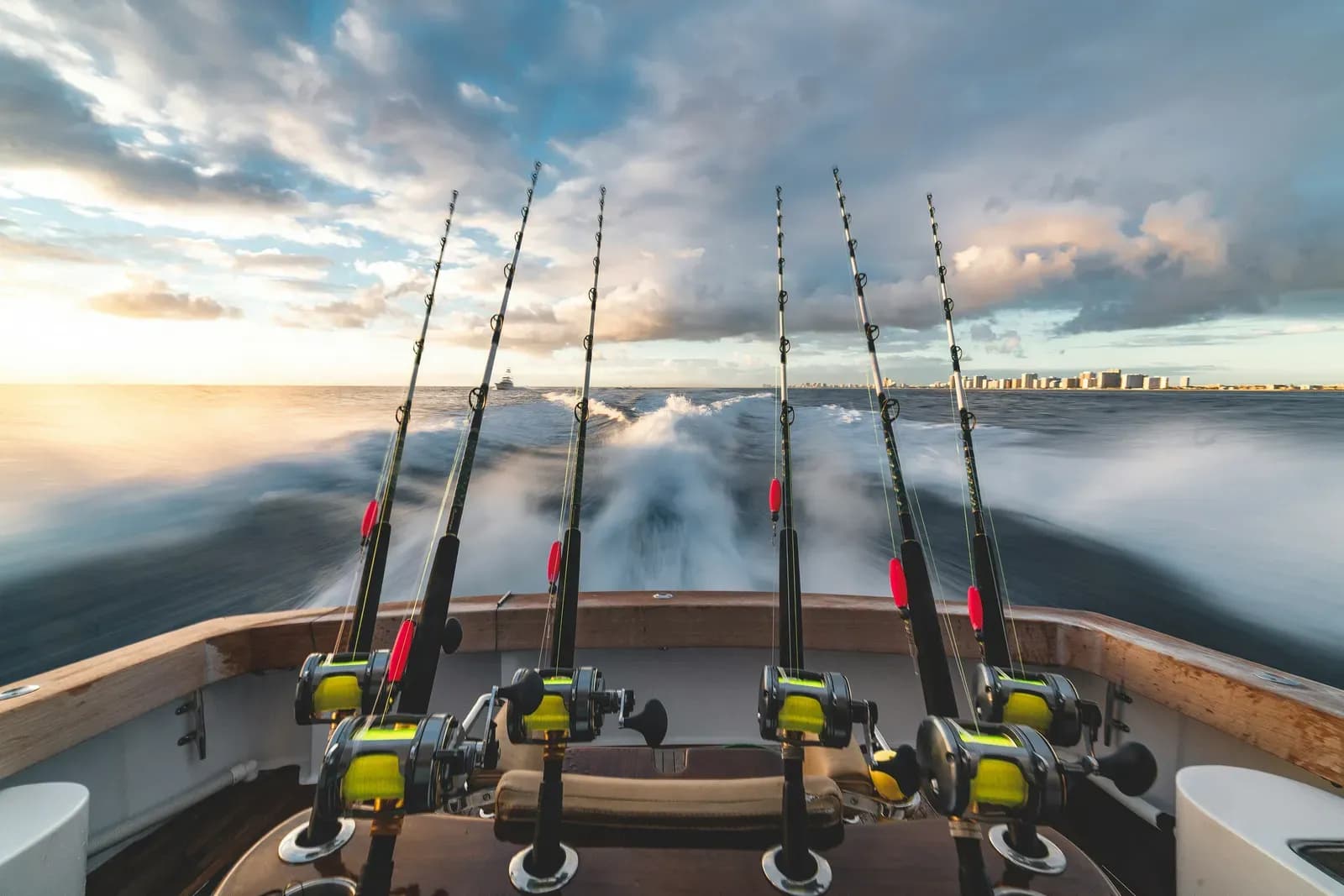
Airlie Pointe Yacht Charters
Tour agency in Wilmington
Angry Pelican Charters
Fishing charter in Oak Island

Bald Head Island Conservancy
Hiking & Nature in Bald Head Island
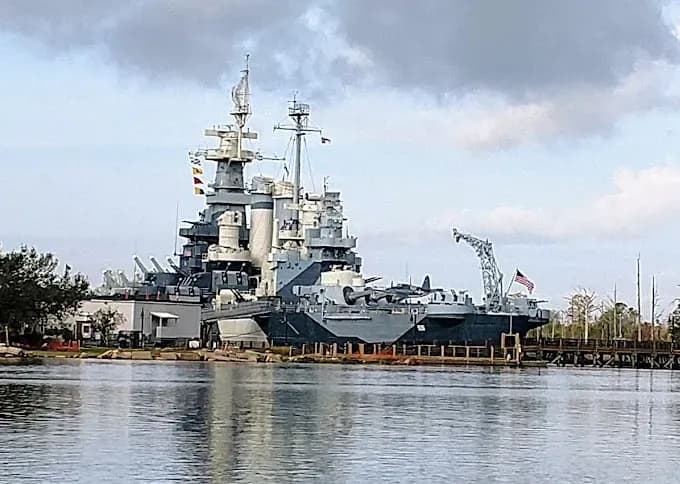
Battleship North Carolina
Museum in Wilmington

Beach Fun Rentals
Beaches in Holden Beach
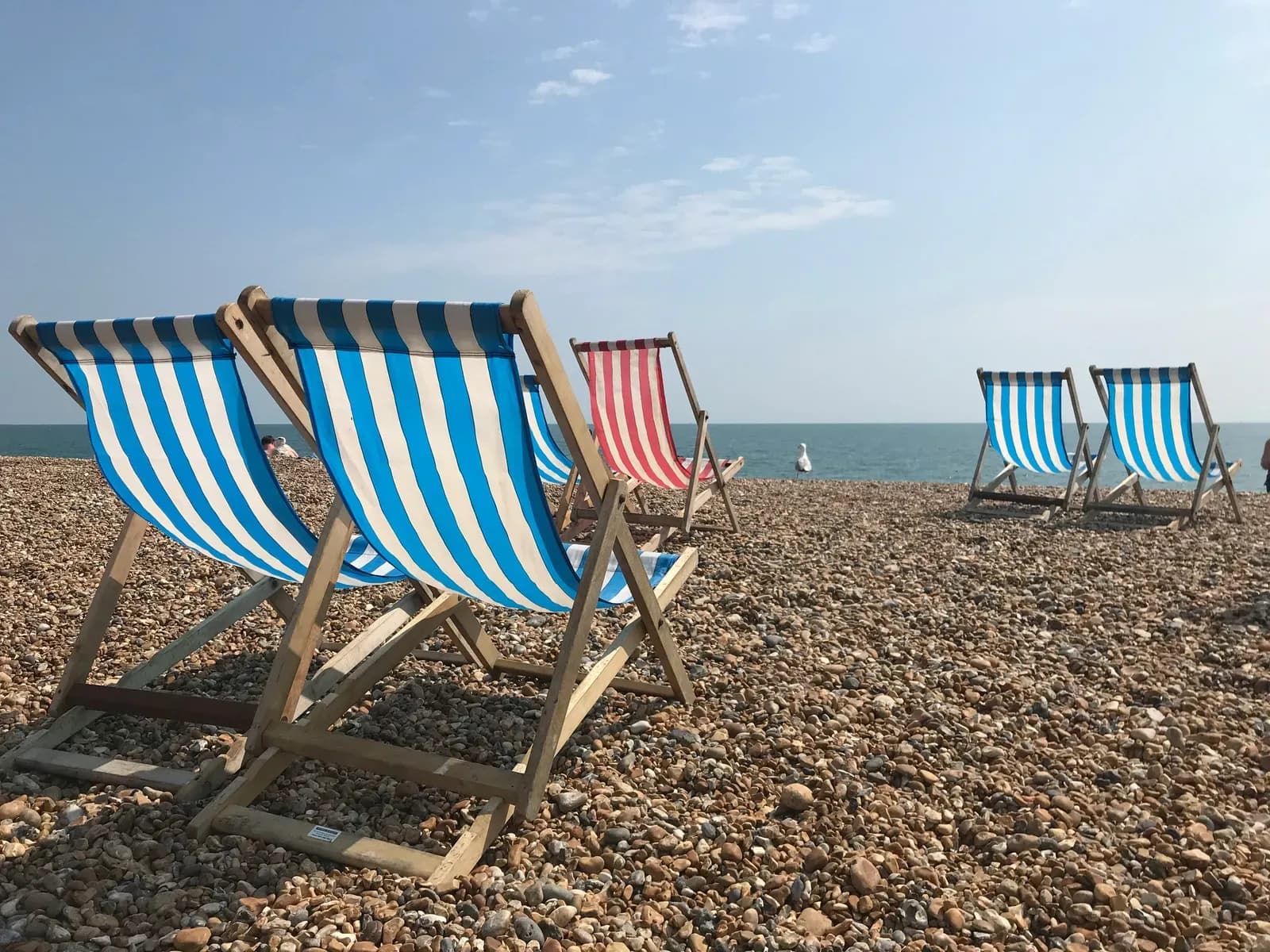
Beachway Rentals and Services
Beaches in Shallotte
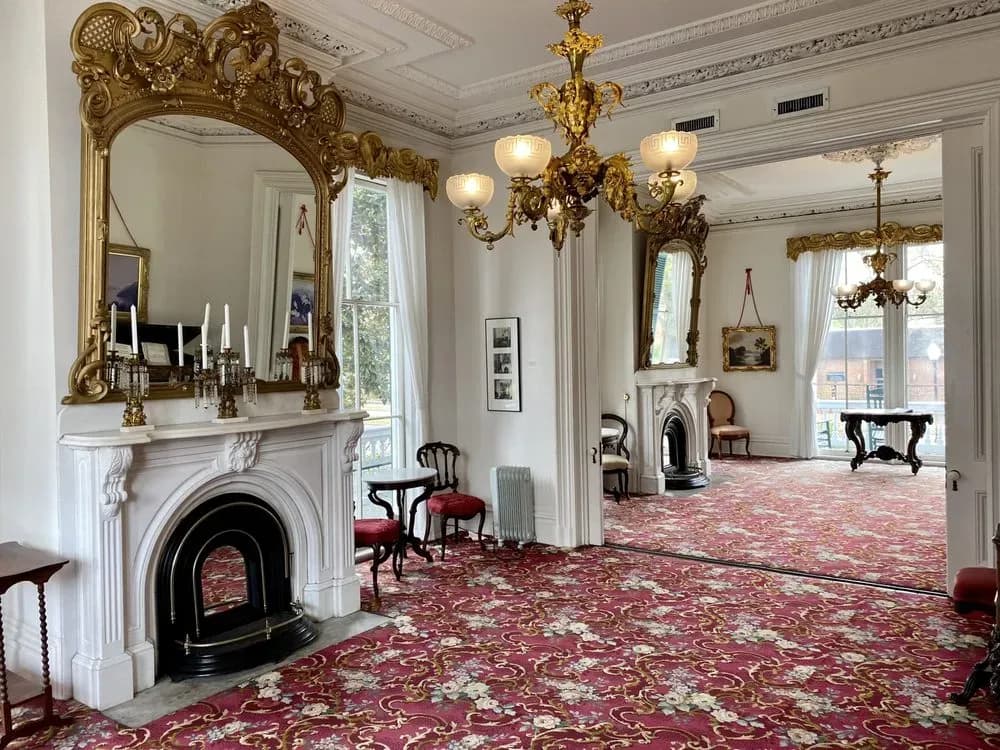
Bellamy Mansion Museum
Museum in Wilmington
Big Kahuna Tiki Charters
Tour agency in Carolina Beach
Boomers Rentals
Beaches in Supply

Burgwin-Wright House and Gardens
Museum in Wilmington
Burnett Eaton Museum Foundation
Heritage museum in Wilmington
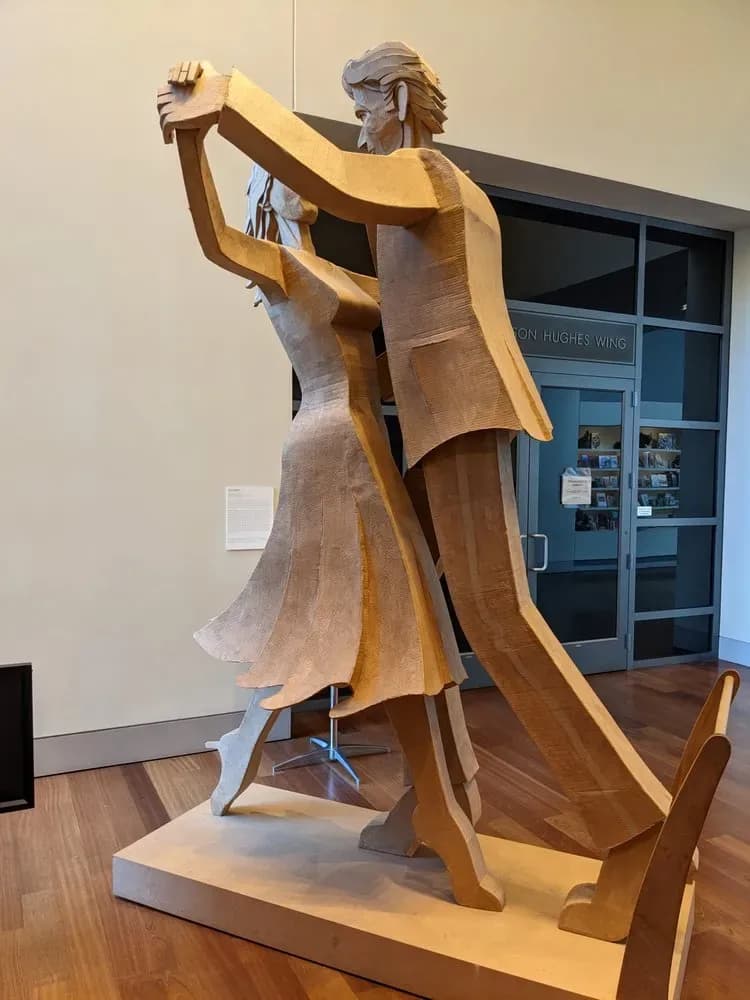
Cameron Art Museum
Museum in Wilmington
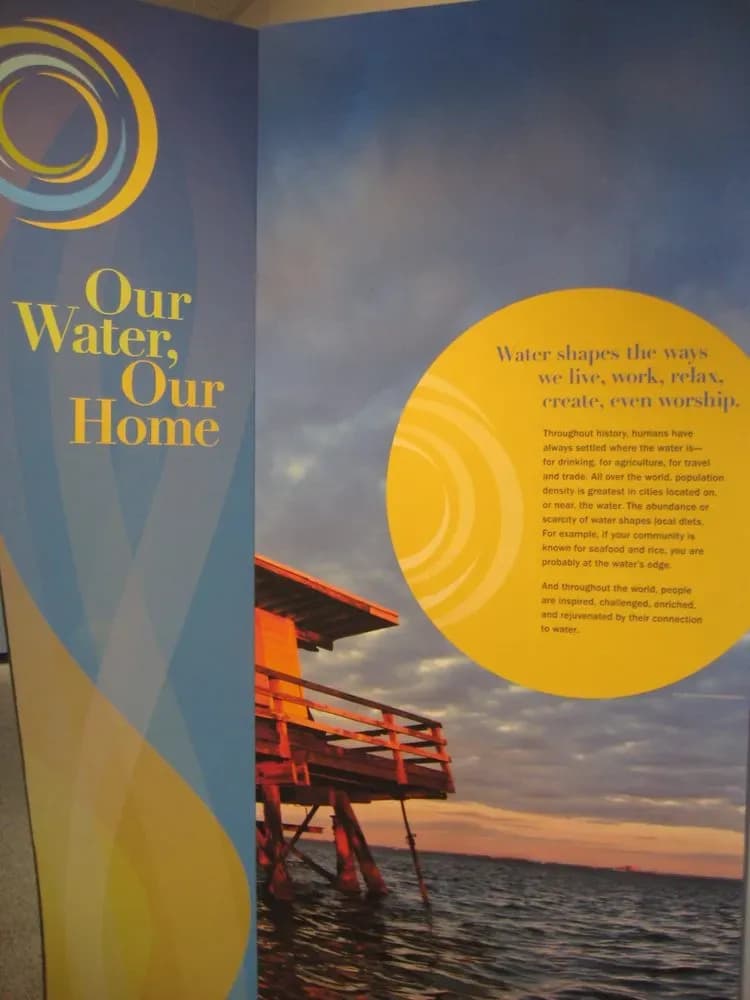
Cape Fear Museum Of History and Science
Museum in Wilmington
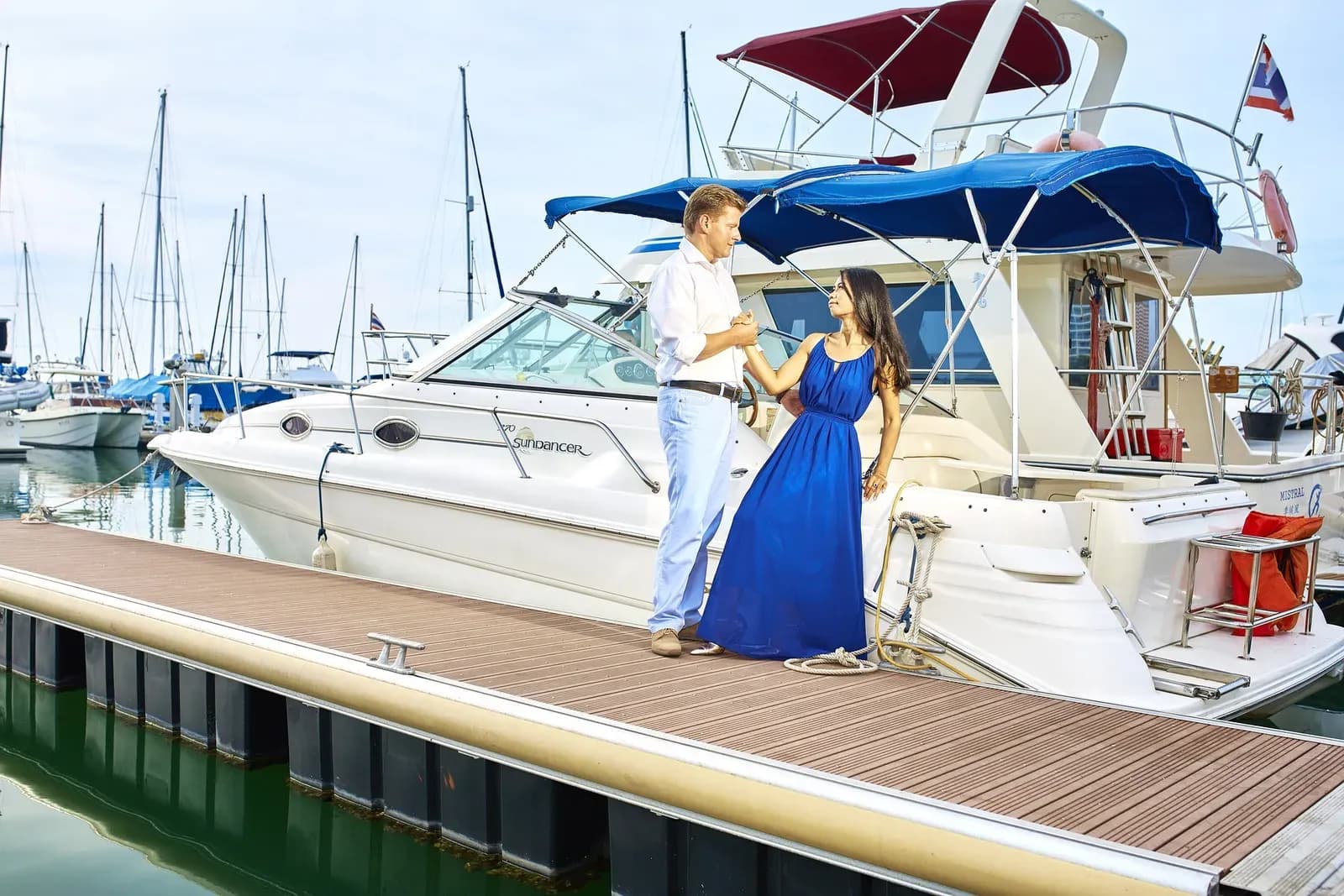
Cape Fear Riverboats
Tour agency in Wilmington
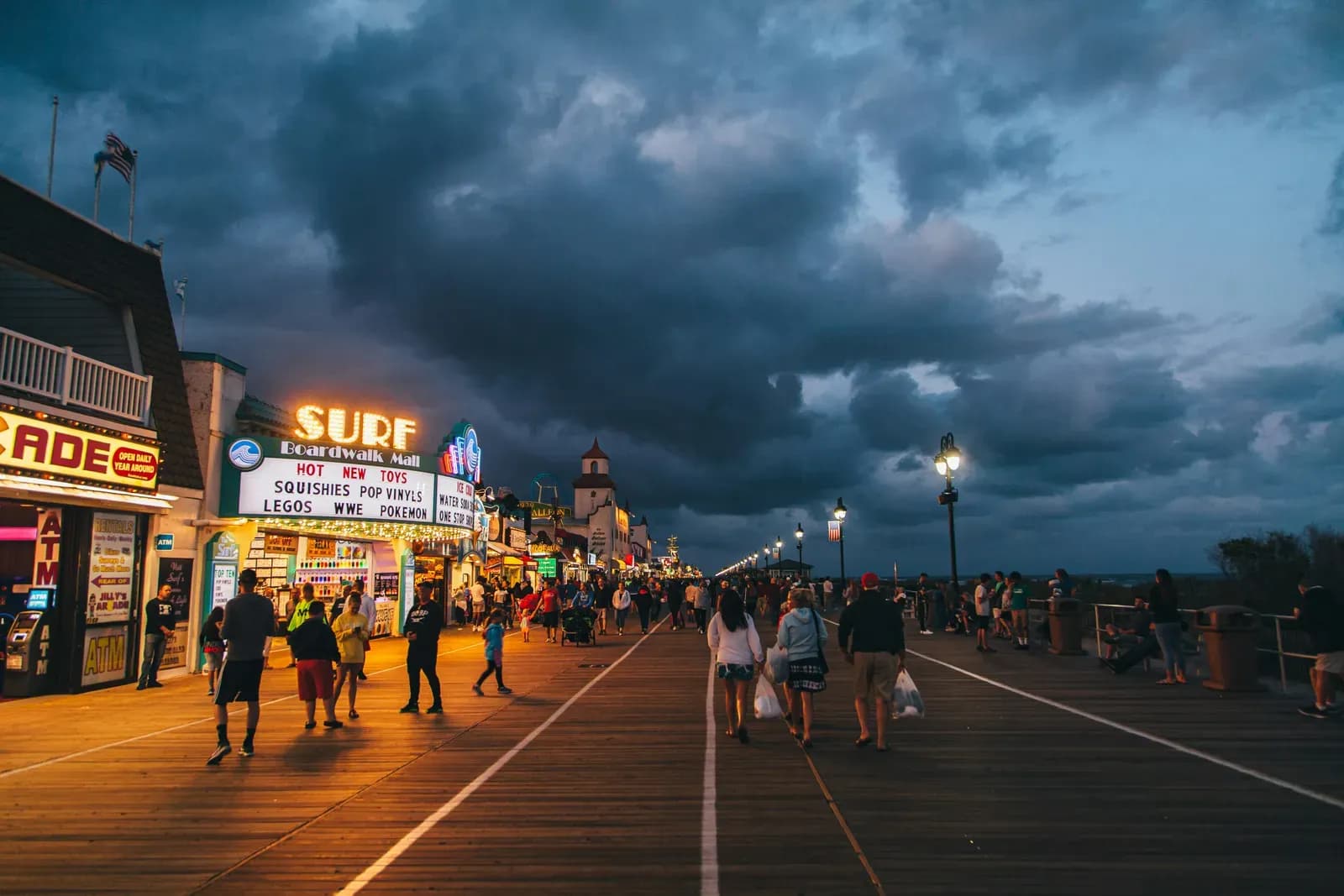
Carolina Beach Boardwalk
Family Entertainment in Carolina Beach
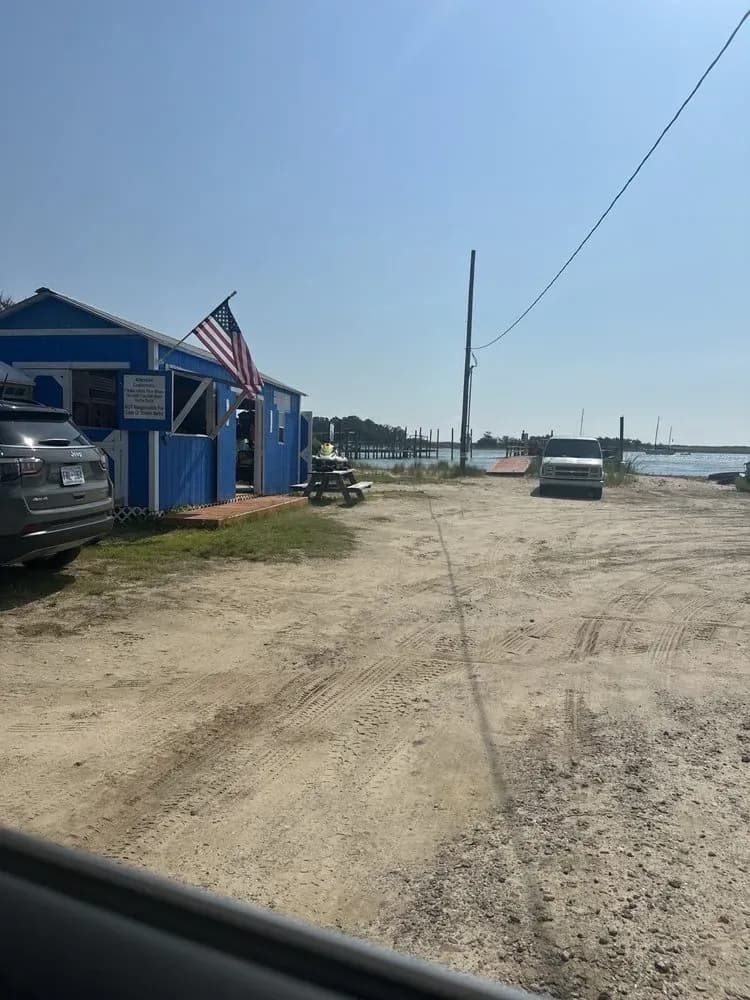
Carolina Beach Jet Ski Rentals
Water Sports in Wilmington
Carolina Beach Pontoon Rental
Boating & Fishing in Carolina Beach
Carolina Boat Rentals
Boating & Fishing in Wrightsville Beach
Carolina Yacht Charters
Boating & Fishing in Wilmington
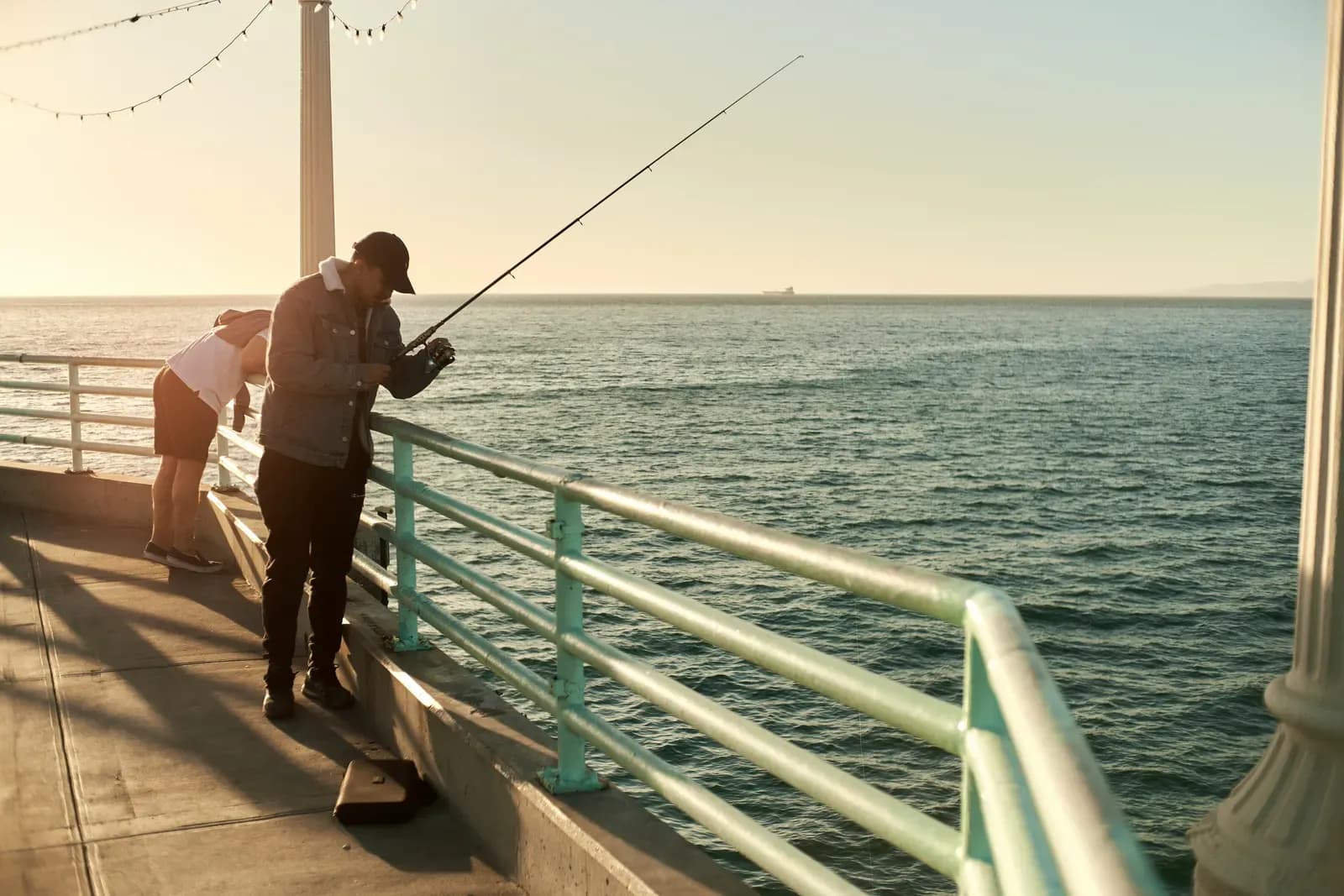
Crystal Pier
Fishing Pier in Wrightsville Beach
Deep Sea Express Fishing Charters
Fishing charter in Wrightsville Beach
Entropy Boat Rentals
Boating & Fishing in Wilmington
Epic Beach Ventures
Bicycle rental service in Carolina Beach
Falling Tide Fishing Adventures
Fishing charter in Wilmington