Destination
Things to Do in Carolina Beach
Carolina Beach is the Cape Fear town for travelers who want the beach to feel lively, colorful, and easy to understand on arrival. The boardwalk gives the town its public face, with summer music, fireworks, arcades, ice cream, casual food, and the kind of evening foot traffic that makes a family vacation feel complete without a complicated plan. The oceanfront is wide enough for long beach days, but the town is more than sand. The marina side, Snow's Cut, Carolina Beach Lake, and Carolina Beach State Park make it possible to build a day around fishing, paddling, walking, and dinner without leaving Pleasure Island.
Carolina Beach State Park is essential because it shows visitors a quieter version of the island. Trails move through longleaf pine, sandy soil, pocosin edges, and habitat where Venus flytraps grow naturally. Sugarloaf Dune and the Cape Fear River side of the park remind travelers that Pleasure Island faces more than the Atlantic Ocean. Families can use the park as a morning reset before the boardwalk gets busy, while hikers and birders can treat it as a real nature stop rather than a side attraction. The marina and boat ramps also make Carolina Beach a practical base for fishing and water access.
Summer is the signature Carolina Beach season, but it is also the season that requires the most patience. Paid parking, traffic over Snow's Cut Bridge, restaurant waits, hot sand, and afternoon storms can shape the day. Arrive early for easier beach access, keep a shade plan, and consider moving between beach time, lunch, a rest break, and boardwalk activity instead of staying in one place until everyone is exhausted. Spring and fall are easier for long walks, state park trails, fishing, and patio meals. Winter is quiet but still useful for locals, remote workers, seafood lunches, and beach walks without crowds.
Carolina Beach pairs naturally with Kure Beach and Fort Fisher because the island road makes the southern end of Pleasure Island easy to reach. A strong day might start with a state park walk, shift to the beach near town, pause for lunch, continue to the aquarium or Fort Fisher, and return for boardwalk lights or fireworks. Families with small children can keep the plan shorter, while repeat visitors can add a ferry ride, a fishing charter, or a quieter sunset near the basin. The town's appeal is flexibility: classic beach energy when wanted, quieter coastal pockets when needed.
The lower Cape Fear coast is defined by short distances that still require careful timing. Downtown Wilmington, Wrightsville Beach, Pleasure Island, Bald Head Island, Southport, and the Brunswick County seafood towns can be linked in one trip, but traffic, bridges, ferry schedules, and seasonal parking decide how comfortable that trip feels. Visitors should think in clusters: riverfront and historic Wilmington on one day, Wrightsville and Masonboro Sound on another, Carolina Beach and Kure Beach together, Bald Head Island as its own ferry-based outing, and Calabash with the Brunswick beaches rather than as a quick side stop from downtown.
Weather and tide shape local plans more than first-time visitors expect. Summer afternoons often bring heat, thunderstorms, and glare over the water, while spring and fall can deliver the region's easiest walking, paddling, fishing, and outdoor dining. Winter is mild enough for museums, shelling, birding, breweries, seafood lunches, and quiet beach walks, but some operators reduce hours. Check tide charts for paddling, shelling, and marsh walks; check wind before booking open-water activities; and give beach days enough flexibility to move meals, shade breaks, or indoor stops around the forecast.
The best Cape Fear itineraries mix landmarks with ordinary local rhythms. Walk the Wilmington Riverwalk before dinner, visit Airlie Gardens when the camellias or azaleas are in season, cross to the Battleship North Carolina for river context, spend a morning on the Wrightsville Beach Loop, ride the Fort Fisher ferry when the schedule fits, or build a seafood day around Calabash and the Brunswick County waterfront. Leave time for parking, sunscreen, water, and a second choice. The region feels generous when travelers let the coast set the pace.
Access is part of every local description because the same destination can feel easy or difficult depending on the season. Wrightsville Beach rewards early arrivals and careful paid-parking habits. Carolina Beach and Kure Beach depend on Snow's Cut Bridge traffic and beach access choices. Bald Head Island asks visitors to plan around the Southport ferry, tram service, cart rentals, and limited car-free movement. Wilmington is more forgiving, but downtown events, concerts, and festival weekends can still change parking and restaurant availability. Calabash belongs to a Brunswick County driving pattern and should be grouped with nearby beaches, golf, seafood, and marsh outings.
Food also helps define place. Wilmington gives visitors riverfront dinners, historic-district restaurants, breweries, coffee shops, and neighborhood food corridors that make it a strong year-round base. Wrightsville Beach leans toward active beach days, seafood, tacos, smoothies, and casual meals after the Loop or a paddle. Carolina Beach has boardwalk snacks, family restaurants, marina stops, and the vacation ritual of getting something sweet after dark. Kure Beach is simpler and quieter, which suits families who want less decision fatigue. Bald Head Island dining requires more planning because of ferry logistics and seasonal hours. Calabash is the seafood anchor, with its name tied to a style of fried seafood and waterfront supper traditions.
Visitors should also understand how close the locations are without assuming they are interchangeable. Wilmington to Wrightsville Beach can be quick on a weekday morning and slow on a sunny summer afternoon. Carolina Beach and Kure Beach share Pleasure Island, but their moods are different enough to justify separate plans. Bald Head Island may look close across water, yet the ferry makes it a full outing. Calabash is part of the broader Cape Fear coastal story, but it is much closer to Sunset Beach and the South Carolina line than to the Wilmington Riverwalk. Good planning respects those distances and avoids building a day around map illusions.
Culture changes across the region too. Wilmington carries port history, film production, university energy, arts venues, the Cameron Art Museum, Thalian Hall, and the civic weight of the 1898 Wilmington coup. Wrightsville Beach carries surf, sailing, paddling, fitness, and an expensive barrier-island pace. Carolina Beach carries boardwalk nostalgia, casual rentals, summer fireworks, and a more playful family rhythm. Kure Beach carries Fort Fisher, the aquarium, pier walks, and residential calm. Bald Head Island carries conservation, lighthouse history, ferry-based access, and maritime forest. Calabash carries seafood, shrimp boats, golf travelers, and Brunswick County marsh light.
The natural setting deserves the same specificity. The Cape Fear River is not the same as Banks Channel, and Masonboro Sound is not the same as the Atlantic surf zone. A family looking for calm water should ask different questions than a surfer watching swell period. A shelling walk depends on tide, wind, and recent storms. A state park trail can be hot and buggy even when the beach feels breezy. A ferry day can be beautiful but exposed. Each location asks visitors to read sun, shade, tide, wind, bridges, and water access in its own way. That is why local descriptions should be practical as well as scenic.
For first-time travelers, the safest approach is to give each location enough time to be itself. Do not squeeze Wrightsville, downtown Wilmington, Carolina Beach, Fort Fisher, Bald Head Island, and Calabash into one rushed loop. Choose a base, pick nearby experiences, and build one larger excursion only when the logistics support it. Families should preserve rest. Outdoor travelers should preserve weather flexibility. History travelers should preserve time to read and reflect. Food-focused visitors should preserve meal timing. Cape Fear is compact enough to reward curiosity, but it feels best when the plan leaves room for the coast to slow things down.
Local listings
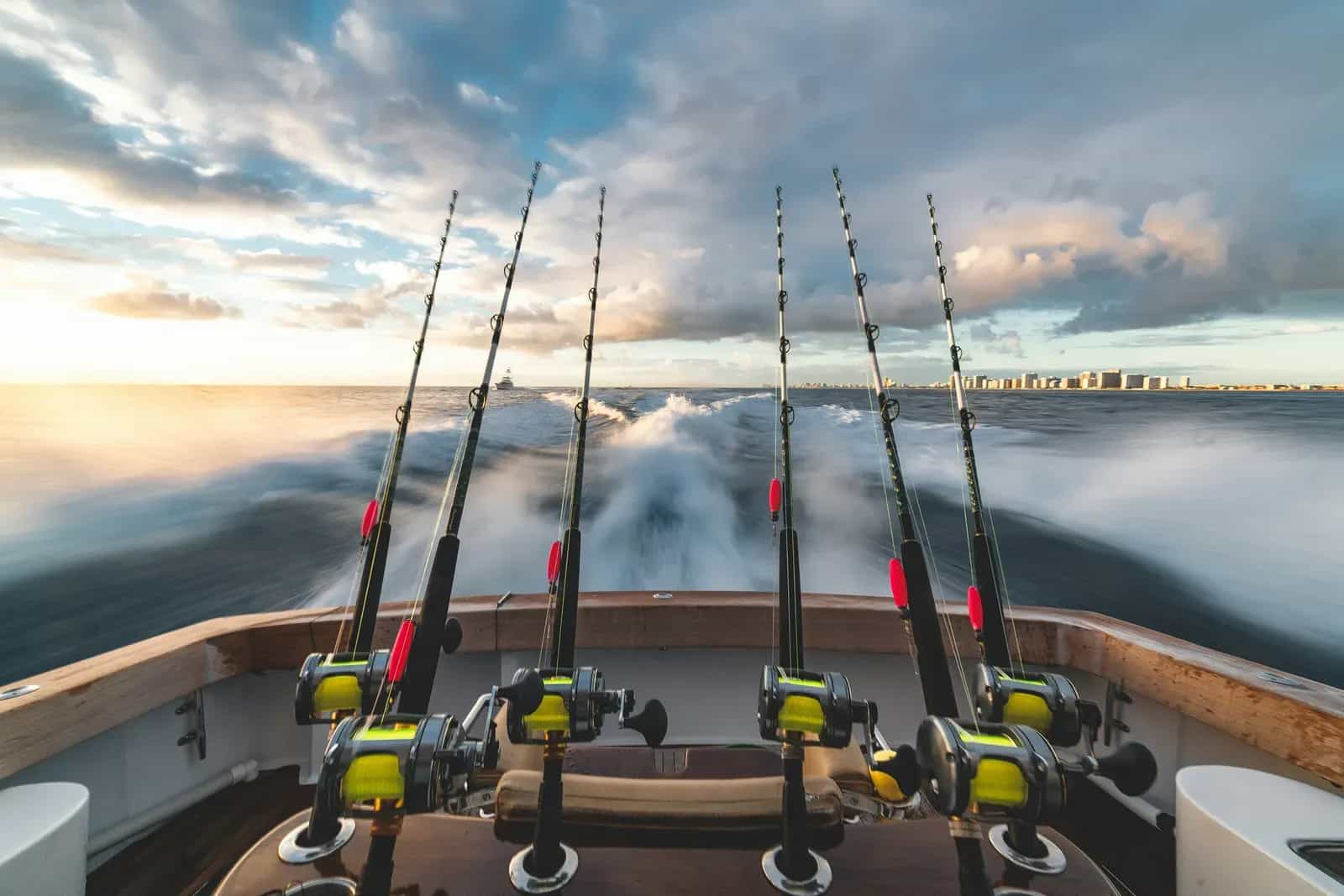
Big Kahuna Tiki Charters
Tour agency in Carolina Beach
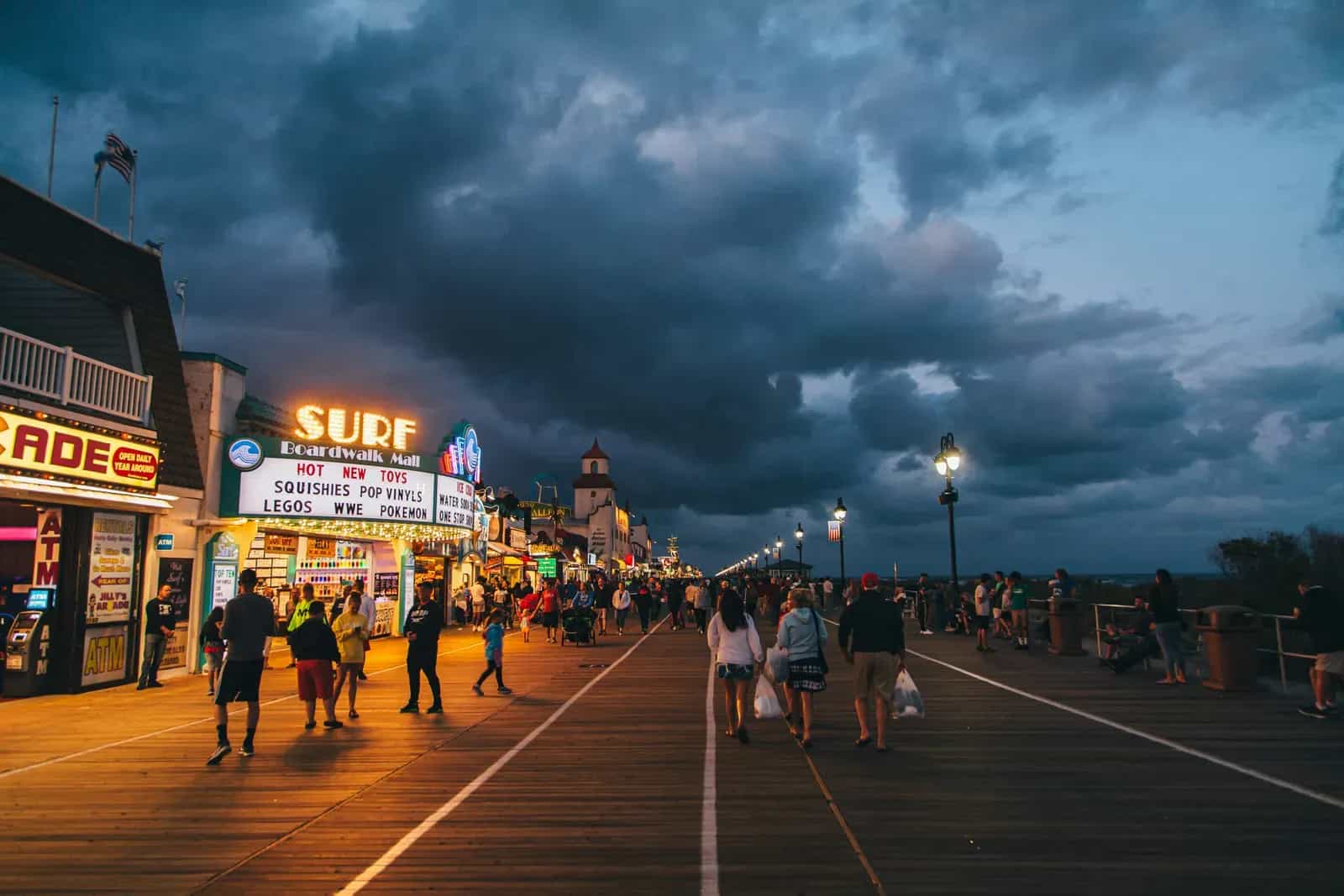
Carolina Beach Boardwalk
Family Entertainment in Carolina Beach
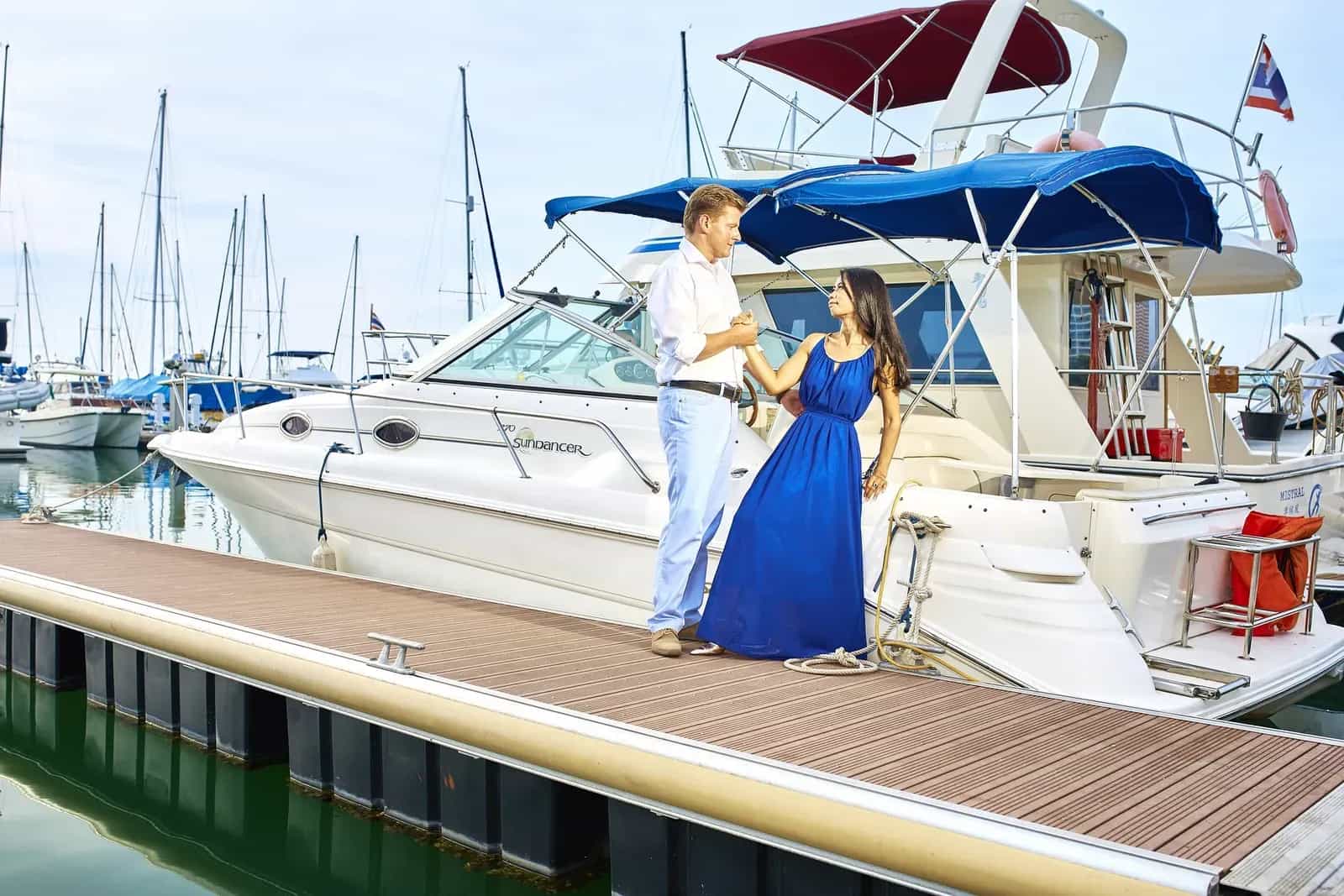
Carolina Beach Pontoon Rental
Boating & Fishing in Carolina Beach
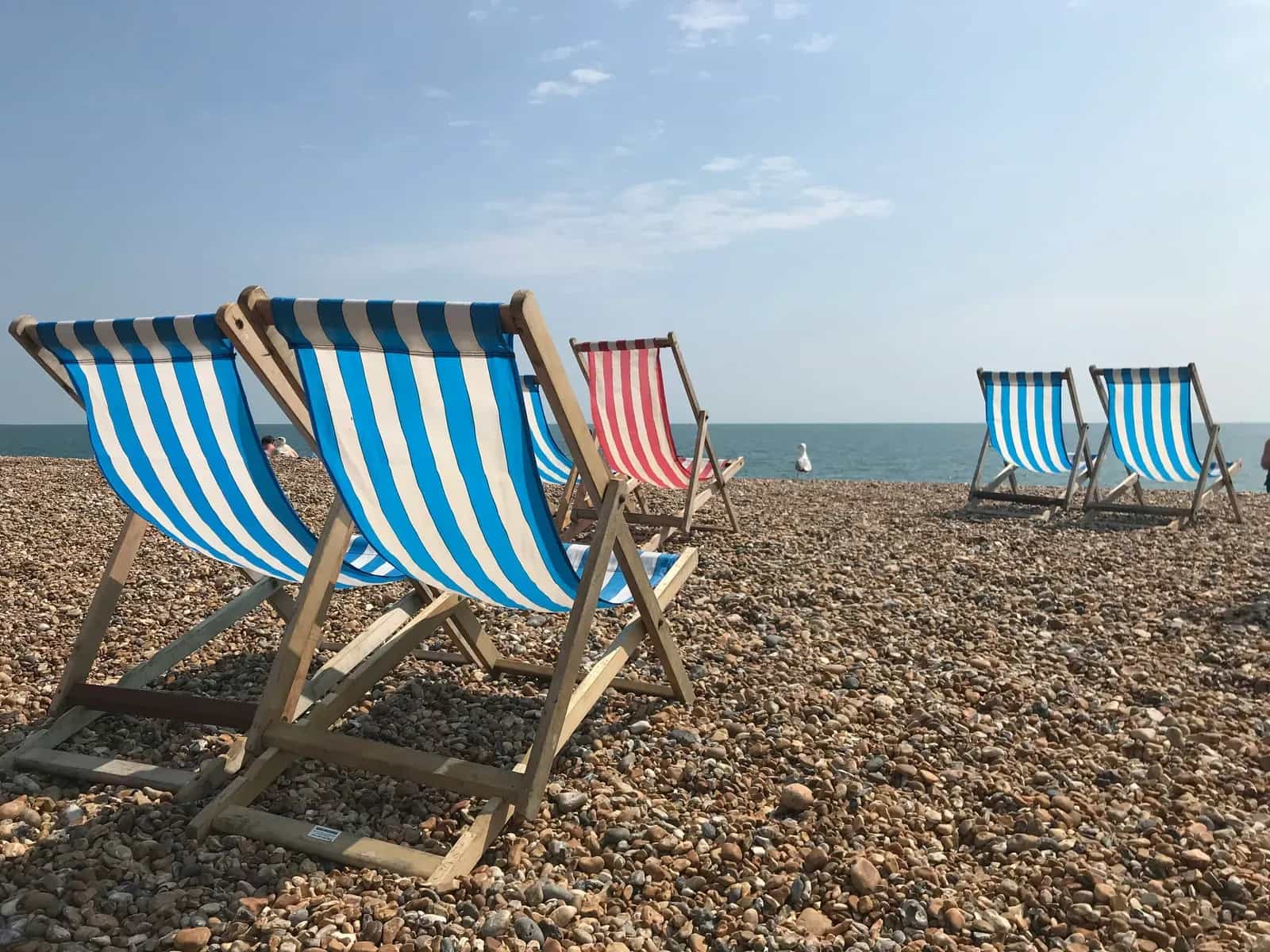
Epic Beach Ventures
Bicycle rental service in Carolina Beach
Fillet and Release Fishing Charters
Fishing charter in Carolina Beach
Fish Witch Charters
Fishing charter in Carolina Beach
Freeman Park
Park in Carolina Beach
Island Cruises
Tour agency in Carolina Beach
Nauti Times Boat Rentals
Boating & Fishing in Carolina Beach
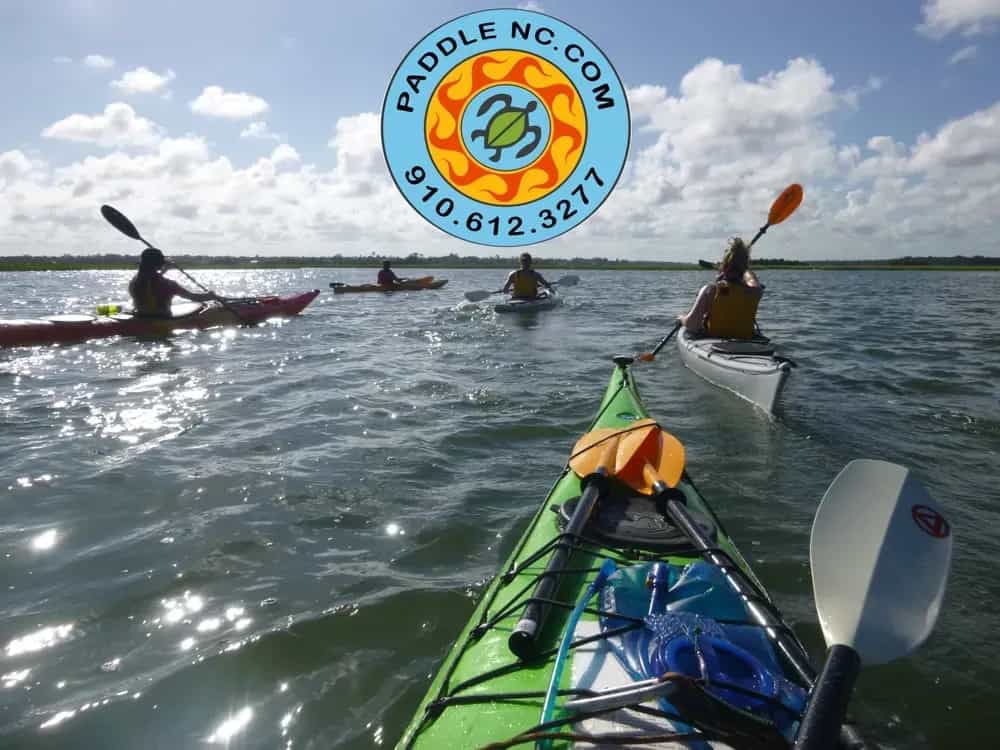
Paddle NC
Water Sports in Carolina Beach
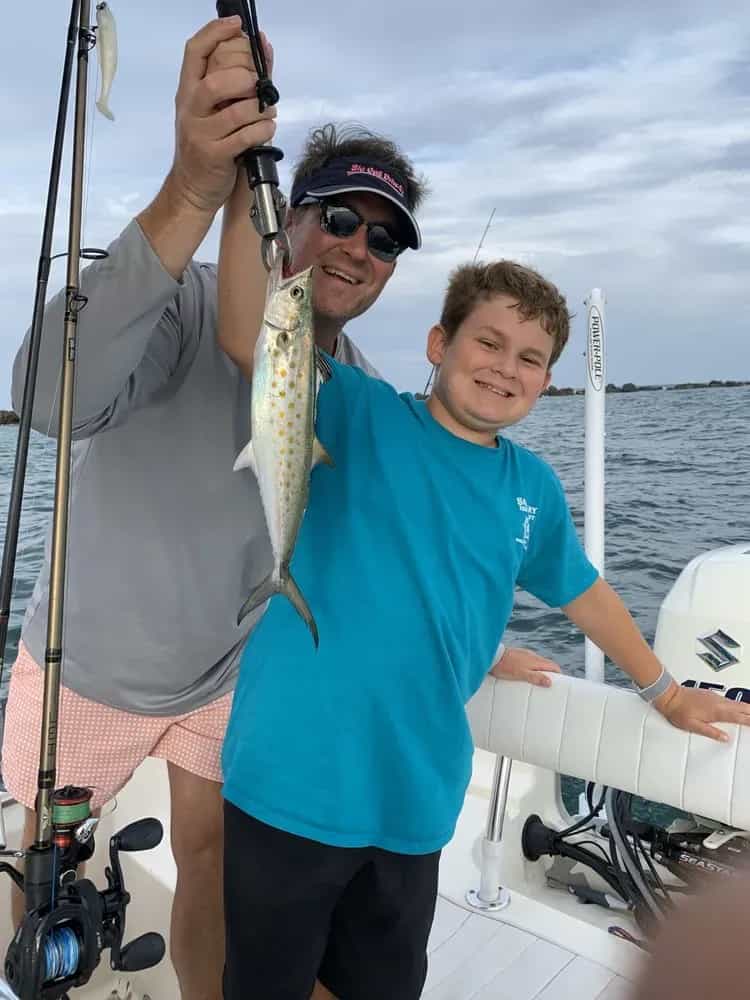
Reel Teal Charters
Fishing charter in Carolina Beach
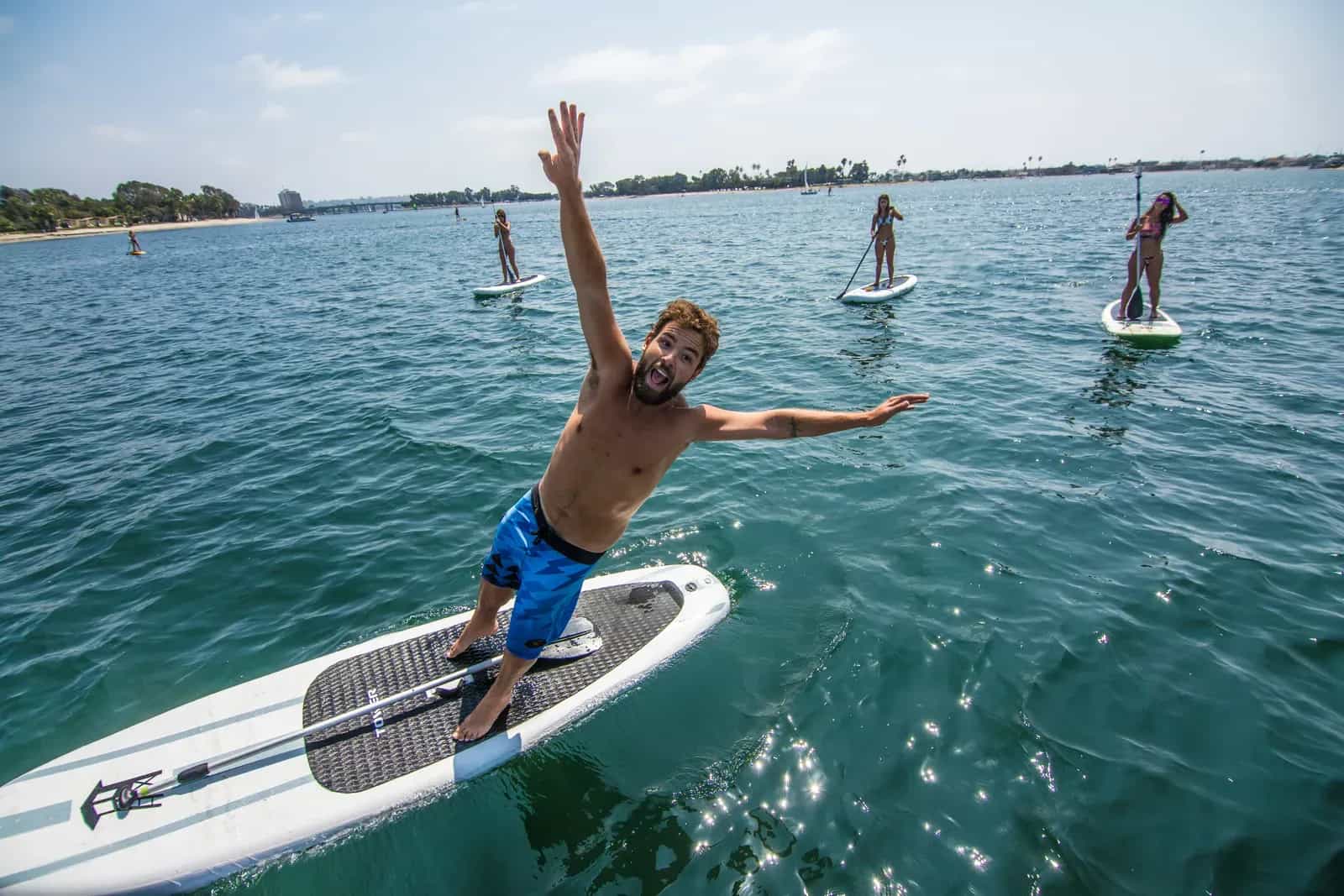
Tony Silvagni Surf School & Beach Rentals
Bicycle rental service in Carolina Beach
Wet-N-Wild Sportfishing Charters
Fishing charter in Carolina Beach
Wild Rover III
Fishing charter in Carolina Beach